Tooth decay is one of the most common health problems in children. Milk teeth have thinner enamel than adult teeth, so a small cavity can grow more quickly, and many cavities cause no pain at first. Parents often notice them only when a dark spot or hole appears or the child complains of pain.
A filling repairs a tooth that has a cavity. The decayed part is removed and the space is filled, so the tooth can be used normally again. At Divine Dental Care in Ankleshwar, the dentist checks the tooth, explains to you what it needs and why, and keeps the visit as calm and simple as possible for your child.
What the treatment involves
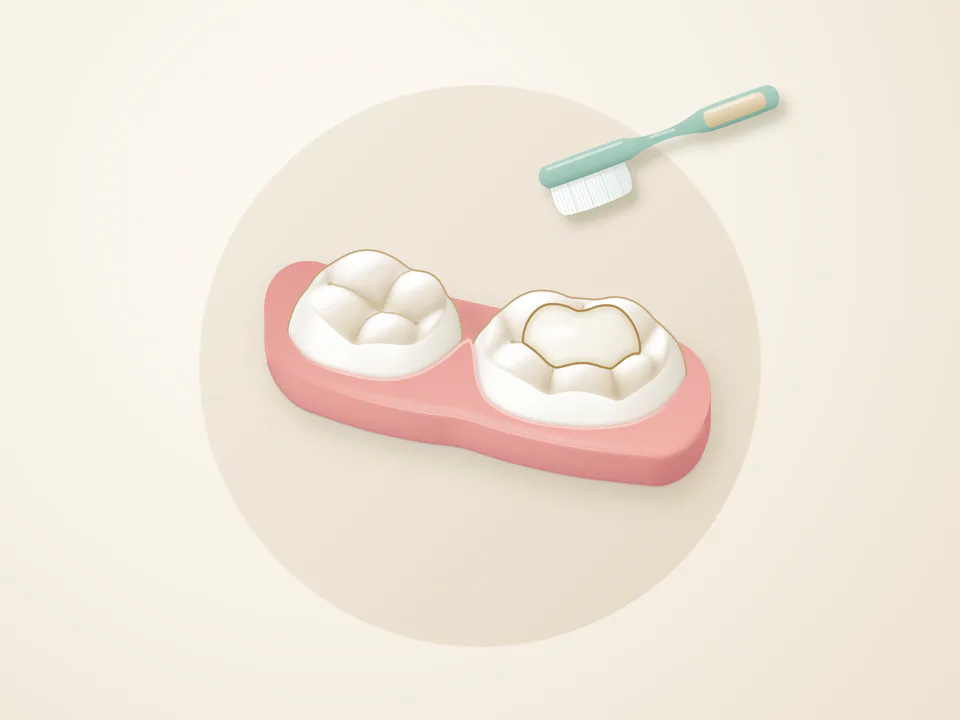
Fillings at the clinic are tooth-coloured, so they blend in with your child's teeth. They are used in:
- milk teeth, which children need for many years – some milk back teeth stay until around 10 to 12 years of age
- young permanent teeth, such as the first adult molars that come through at around 6 years of age. Many parents think these are milk teeth, because no tooth falls out before they appear.
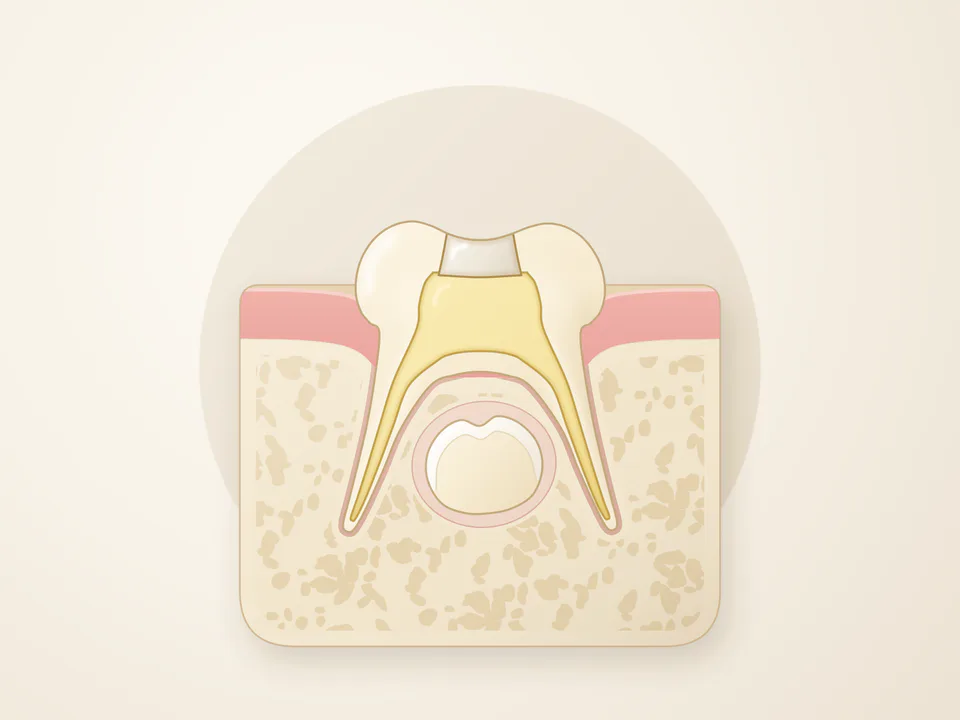
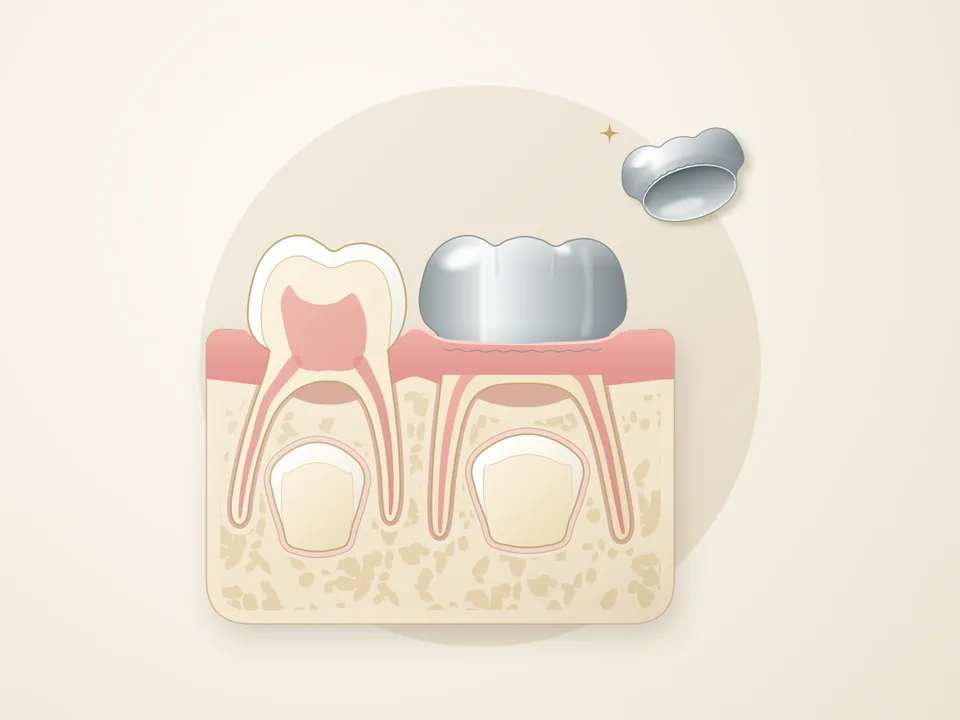
Not every early sign of decay needs a filling. A chalky white spot can sometimes be stopped with better brushing, fluoride toothpaste and fewer sugary snacks; the dentist may suggest applying fluoride and watching it. If a milk back tooth has a large cavity, a stainless steel crown may protect it better than a big filling. If decay has reached the nerve, nerve treatment such as a pulpectomy may be needed first.
Signs of a cavity and when a filling is recommended
Watch for:
- white chalky patches, or brown or black spots on the teeth
- a hole you can see, or food getting stuck in the same place
- sensitivity or pain with sweet, cold or hot food and drinks
- your child avoiding chewing on one side or refusing some foods
A filling is usually recommended when decay has made a hole in the tooth but has not reached the nerve. Many cavities are found only at a children's dental check-up. Pain that wakes your child at night, swelling, or a pimple-like bump on the gum can mean the decay has gone deeper – contact the clinic soon. If swelling spreads towards the eye or neck, or your child has a high fever or difficulty breathing or swallowing, go to a hospital emergency department straight away – see emergency dental care.
Benefits of filling milk teeth and young adult teeth
Some parents wonder why a milk tooth needs a filling when it will fall out anyway. Treating a cavity early:
- helps prevent pain and infection – untreated decay can reach the nerve and cause toothache, swelling or an abscess, and may affect the adult tooth developing underneath
- helps your child chew and eat well – a painful tooth can make a child avoid food
- supports clear speech – milk teeth, especially the front teeth, help children form sounds and words
- helps keep space for adult teeth – if a milk tooth is lost early, nearby teeth can drift into the gap and the adult tooth may come through out of place
- protects young adult teeth, which need to last a lifetime
Preparing your child for the visit
Talk about the visit calmly and positively – for example, that the dentist will "clean the tooth and make it strong again". Avoid words like "hurt", "injection" or "drill", and never use the dentist as a threat. Give your child a light meal before the visit, because after a local anaesthetic they should not eat until the numbness wears off. You can stay with your child during the visit.
How the treatment works at Divine Dental Care
- Check-up and X-ray if needed. The dentist looks at the tooth and, if needed, takes a low-radiation digital X-ray to see how deep the decay goes.
- Explaining to you. You are told what was found, whether a filling is the right choice and what the other options are.
- Helping your child feel comfortable. Each step is explained in simple words. If several teeth need care, treatment may be split into short visits.
- Numbing. Most fillings need a local anaesthetic. Very small fillings sometimes do not; the dentist will discuss this with you.
- Removing decay. The decay is gently removed and the tooth is cleaned.
- Placing the filling. The tooth-coloured filling is placed and set hard, often with a curing light, then shaped to your child's bite and polished.
Aftercare and home tips
After a local anaesthetic, the lip, cheek and tongue can feel numb for a few hours. Watch that your child does not bite or chew them, and give soft food once the numbness has worn off. Mild sensitivity for a few days is common and usually settles. If your child needs pain relief, give only what your doctor or pharmacist says is safe for their age and weight. Contact the clinic if the filling feels high or comes out, or if pain continues or wakes your child at night.
To help prevent new cavities:
- Brush twice a day, including last thing at night, with fluoride toothpaste: a smear the size of a grain of rice under three years, and a pea-sized amount from three years.
- After brushing, spit out the toothpaste but do not rinse with water, so the fluoride keeps working.
- Keep sweets, chocolates, biscuits and sugary drinks to mealtimes – how often children have sugar matters, not just how much.
- Between meals, give water or plain milk, and snacks such as fresh fruit or vegetables.
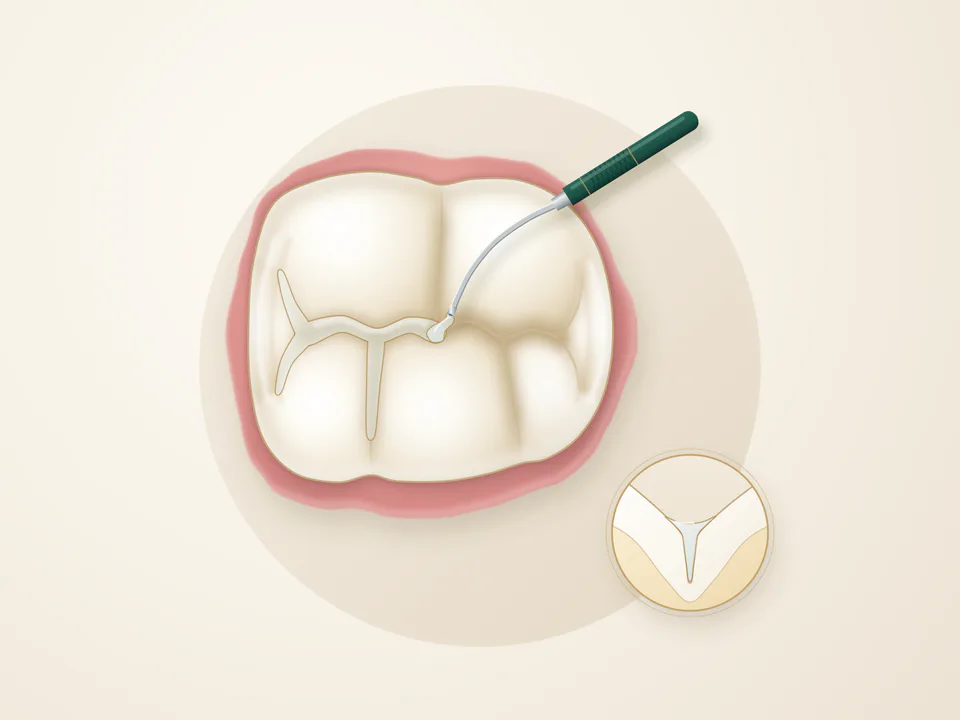
- Ask the dentist about pit and fissure sealants for the back teeth.
If you notice a dark spot or your child complains of toothache, book an appointment at the clinic in Ankleshwar.
Frequently asked questions
Will my child feel pain during a filling?
The tooth is usually numbed first, so most children feel pressure and vibration rather than pain. The dentist explains each step and can pause if your child feels uncomfortable.
Can a cavity in a milk tooth be left until the tooth falls out?
Sometimes, if the tooth is close to falling out and the decay is small and causing no problems, the dentist may suggest watching it. Often, though, the tooth still has years to go, and treatment is usually the safer choice.
How long will my child's filling last?
A filling in a milk tooth only needs to last until the tooth falls out naturally, and many do. Fillings in adult teeth often last many years. Like all fillings, they can wear or break, so regular check-ups matter.
Why does my child get cavities even though they brush?
Frequent snacking, sticky sweets, sweet drinks and missed night-time brushing all raise the risk, and the deep grooves of back teeth are hard to clean. The dentist can check your child's brushing and suggest changes.
Every mouth is different. The right treatment for you is decided only after Dr. Dhara M. Sudani examines your teeth and, if needed, takes an X-ray. This page is general information, not a diagnosis.