
Some dental treatment needs a small surgical step, for example when a tooth has broken at the gumline or is trapped under the gum, or when a gum problem has not settled with cleaning alone. Minor oral surgery covers procedures like these, carried out in the dental chair under local anaesthetic.
At Divine Dental Care in Ankleshwar, minor oral surgery, such as surgical tooth removal and gum surgery, is done in the clinic by the dentist, with clear aftercare advice. Complex cases are referred to an oral and maxillofacial surgeon or a hospital.
What minor oral surgery covers
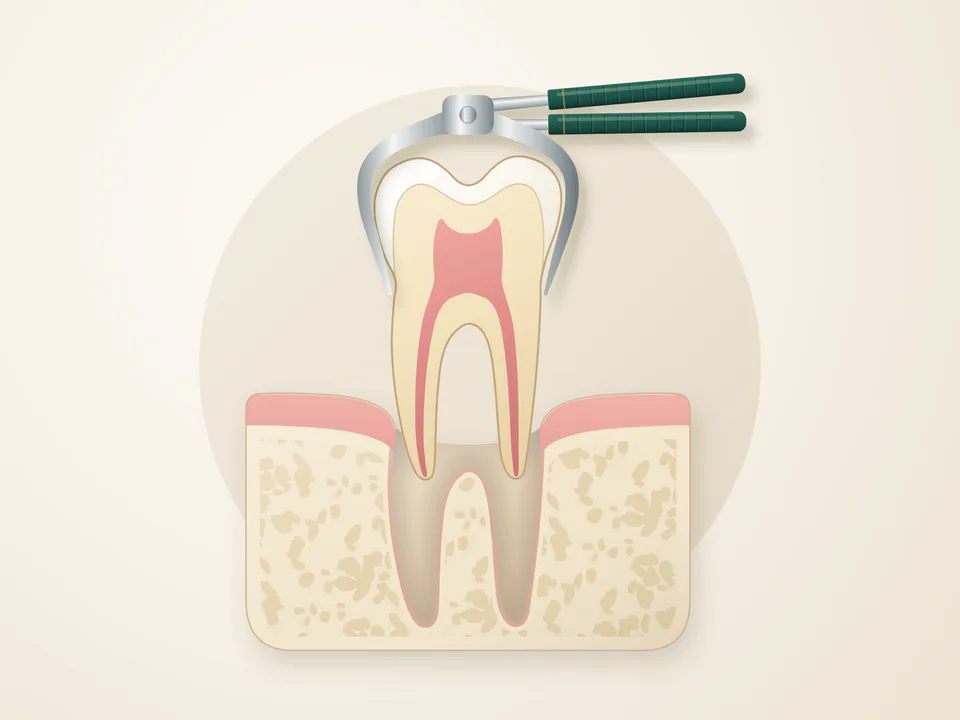
- Surgical tooth removal – for a tooth that has broken at or below the gumline, has curved roots or has not fully come through, or for a root piece left behind. The dentist makes a small cut in the gum, sometimes removes a little bone or divides the tooth, and closes the area with stitches. See tooth extraction.
- Wisdom tooth removal – for a wisdom tooth that keeps causing pain or infection and can be reached safely at the clinic. See wisdom tooth removal.
- Gum surgery – when deep pockets remain after deep cleaning, a minor procedure may be advised so the roots can be cleaned thoroughly. See gum treatment.
When you may be referred
You may be referred to an oral and maxillofacial surgeon or a hospital, for example when:
- a tooth sits deep in the bone or very close to the nerve in the lower jaw or the sinus above the upper teeth
- an X-ray or scan shows a cyst or another change that needs specialist care
- a lump, patch or ulcer needs a biopsy (see oral cancer screening)
- treatment would need general anaesthesia, or a medical condition such as a bleeding disorder means surgery is safer in a hospital
- the face or jaw is injured – go to a hospital emergency department straight away
How the treatment works at Divine Dental Care
- Assessment. The dentist examines the area and takes a low-radiation digital X-ray. If a wider X-ray or a 3D scan is needed, you are told where to have it done.
- Your health and medicines. Tell the dentist about your medicines and conditions, especially blood thinners, diabetes, high blood pressure, heart problems, bone-strengthening medicines and pregnancy. Do not stop any medicine on your own.
- Explanation and consent. You are told why the procedure is advised, the risks, the recovery and the alternatives. You decide how to proceed.
- Local anaesthetic. The area is numbed and checked before starting. You should feel pressure but not sharp pain; if you do, tell the dentist.
- The procedure. The tooth is removed or the gum is treated, with stitches if needed. You then bite on gauze to help a blood clot form and are given clear aftercare instructions.
- Review. A follow-up visit checks healing and removes any stitches that do not dissolve.
Aftercare and recovery
Some soreness, swelling and stiffness are normal, and swelling often peaks around the second or third day. On the first day:
- Keep biting on the gauze for as long as the dentist advises. If the area bleeds again, place a folded clean piece of gauze or cloth over it and bite firmly for around 20 minutes.
- Do not rinse, spit forcefully, smoke, chew tobacco or drink through a straw, as this can dislodge the clot.
- Eat soft, lukewarm food and chew on the other side. Avoid hot drinks while the area is numb.
- Hold a cold pack wrapped in a cloth on the cheek for short periods to help with swelling.
- Rest, and avoid heavy lifting and strenuous exercise.
From the next day, rinse gently with warm salt water after meals, as the dentist advises, and keep brushing your other teeth carefully. Take only pain relief your doctor or pharmacist says is safe for you, and any medicines exactly as the dentist prescribes. After gum surgery, you will be given specific instructions for cleaning the area.
Contact the clinic if pain gets worse after two or three days instead of better, as this can be a sign of dry socket, or if numbness of the lip, chin or tongue continues long after the anaesthetic should have worn off. Go to a hospital emergency department if bleeding is heavy and will not stop, swelling spreads towards the eye or neck, you develop a high fever, or you have difficulty breathing or swallowing. See emergency dental care. To have a tooth or gum problem assessed, book an appointment at the Ankleshwar clinic.
Frequently asked questions
Who does minor oral surgery at the clinic?
Minor procedures are done in the clinic by the dentist, under local anaesthetic. Complex cases, such as a tooth deep in the bone or very close to a nerve, are referred to an oral and maxillofacial surgeon or a hospital.
How long does recovery take?
Swelling and stiffness often settle within about a week, sometimes longer after a surgical removal. The gum usually heals over within a few weeks.
What are the risks?
Besides short-term pain, swelling and bruising, possible risks include bleeding, infection and dry socket. Rarely, the lip, chin or tongue stays numb if a nerve is affected; this usually improves but can occasionally last. Removing an upper back tooth can occasionally open into the sinus.
When can I go back to work?
Many people return to desk work the next day or after a day or two of rest. If your work is physically heavy, for example factory shifts in GIDC, ask the dentist when it is safe to return.
Every mouth is different. The right treatment for you is decided only after Dr. Dhara M. Sudani examines your teeth and, if needed, takes an X-ray. This page is general information, not a diagnosis.