
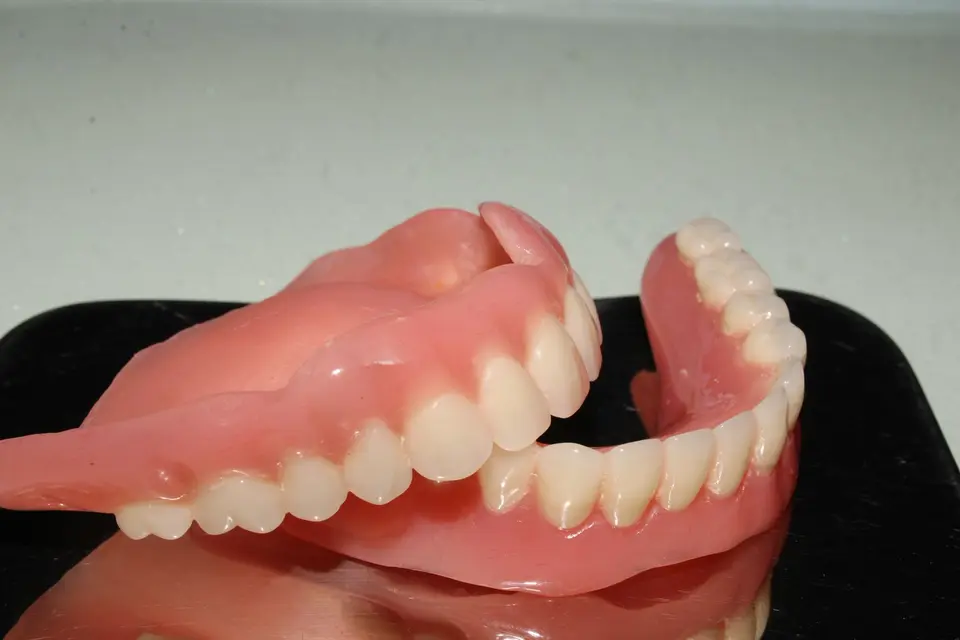
Losing teeth affects more than appearance. It can make chewing difficult, change how you speak and make the face look sunken around the lips and cheeks. Dentures are removable replacement teeth that can help with all of these, especially when several or all teeth are missing.
At Divine Dental Care in Ankleshwar, dentures are made to fit your mouth after a careful examination. The dentist explains which type of denture suits you, what the visits involve and what to expect while you get used to them, which for most people takes a few weeks of patience.
What the treatment involves
There are two main types:
- Complete dentures – replace all the teeth in the upper or lower jaw. An upper denture is held by close contact with the palate and gums; a lower complete denture has less to hold on to and often feels looser.
- Partial dentures – replace one or more missing teeth when some natural teeth remain. They usually have small clasps that hold onto neighbouring teeth, and may have a plastic (acrylic) or thin metal base.
Dentures are made in stages so they can be fitted to your mouth and bite. If teeth need to be removed first, the gums and bone change shape as they heal, so the dentist may suggest waiting, or discuss a temporary denture that is adjusted or replaced later.
If a lower denture is very loose, the dentist may discuss whether dental implants could help hold it more firmly. Where only a few teeth are missing and the neighbouring teeth are strong, a fixed bridge may also be an option.
Common reasons patients come in
- Several or all teeth missing
- Difficulty chewing food properly, such as rotis or vegetables
- An old denture that has become loose, cracked or uncomfortable
- Sore spots or ulcers under an existing denture
- Upcoming tooth extraction and wanting to plan replacement teeth
- Wanting to improve appearance and speech after tooth loss
How the treatment works at Divine Dental Care
- Examination. The dentist checks your gums, any remaining teeth and the bone, with X-rays if needed. Decay or gum problems in the remaining teeth are treated first.
- Explaining options. You are told which type of denture suits you, along with other options such as bridges or implants, so you can choose.
- Impressions and bite. Moulds of your mouth and a record of your bite are taken, and the shade and shape of the teeth are chosen with you.
- Trial fitting. In many cases the teeth are first set in wax so the look, fit and bite can be checked before the denture is finished.
- Fitting. The finished denture is fitted and adjusted, and you are shown how to put it in, take it out and clean it.
- Review visits. Follow-up visits allow sore spots to be eased and the fit to be adjusted.
Aftercare and recovery
New dentures usually feel strange at first. Extra saliva, mild soreness and a change in speech are common for the first few weeks. Start with soft food cut into small pieces, chew on both sides at the same time, and read aloud to help your speech settle. Do not try to fix a sore spot or a loose fit yourself; come back so the dentist can adjust the denture.
Look after your dentures every day:
- Take them out and brush them with a soft brush and mild soap or a denture cleaner, over a basin of water so they do not break if dropped.
- Brush your gums, tongue and any natural teeth too.
- Take dentures out at night unless the dentist advises otherwise, and keep them in water so they do not dry out and change shape.
- Do not use hot water, bleach or harsh powders.
Over the years the gums and bone slowly change shape, so dentures can become loose and may need relining or replacing. Book an appointment at the Ankleshwar clinic if your denture is loose or sore.
Frequently asked questions
How long does it take to get used to new dentures?
Most people take a few weeks to adjust, and some take longer, especially with a lower complete denture.
Should I sleep with my dentures in?
Generally, it is advised to take them out at night to rest your gums and help keep them healthy. The dentist will tell you if your situation is different, for example straight after extractions.
How long do dentures last?
Dentures wear and the mouth changes over time, so they often need relining or replacing after some years. The dentist will check the fit at your regular visits.
Do I still need check-ups if I have no natural teeth?
Yes. The dentist checks the fit of your dentures and looks at your gums, tongue and the rest of your mouth for sore areas or other changes, including signs of oral cancer.
Every mouth is different. The right treatment for you is decided only after Dr. Dhara M. Sudani examines your teeth and, if needed, takes an X-ray. This page is general information, not a diagnosis.