
Even with careful brushing, some plaque is missed, usually along the gumline and between the teeth. Over time it hardens into tartar (calculus), a rough yellow or brown deposit that a toothbrush cannot remove. Tartar holds bacteria against the gums, which can lead to bleeding, bad breath and, eventually, gum disease.
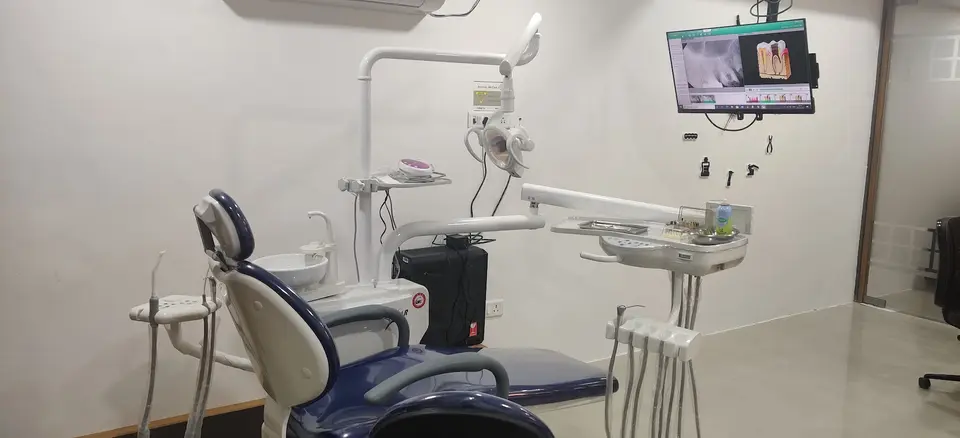
Professional teeth cleaning, also called scaling and polishing, removes tartar and surface stains so your gums can heal and your teeth are easier to keep clean. At Divine Dental Care in Ankleshwar, cleaning is done with an ultrasonic scaler followed by polishing, after the dentist has checked your teeth and gums.
What the treatment involves
An ultrasonic scaler uses fast vibrations and a fine spray of water to break up tartar and wash it away. You will hear a humming sound and feel vibration and water; most people find this comfortable, though sensitive areas can feel tingly.
After scaling, the teeth are polished to smooth the surfaces and remove stains from tea, coffee, paan or tobacco. A smoother surface is harder for plaque to stick to.
Scaling cleans the teeth above the gumline and just below it. If gum disease has caused deeper pockets around the teeth, a deeper cleaning of the root surfaces may be needed. This is explained on our gum treatment page.
Common reasons patients come in
- Gums that bleed when brushing or flossing
- Yellow or brown deposits along the gumline, often behind the lower front teeth
- Bad breath that does not improve with brushing
- Stains from tea, coffee, paan, gutka or smoking
- A routine cleaning as part of a dental check-up
- Before teeth whitening, braces or other treatment
- Swollen, bleeding gums during pregnancy (tell the dentist you are pregnant)
How the treatment works at Divine Dental Care
- Check-up. The dentist examines your teeth and gums and looks for gum pockets, decay or other problems.
- Explanation. You are told how much tartar there is, whether one visit is likely to be enough and if anything else is needed.
- Ultrasonic scaling. Tartar is removed from all tooth surfaces. If an area is sensitive, tell the dentist; a short pause or numbing the area can be considered.
- Polishing. The teeth are polished to remove stains and smooth the surfaces.
- Home-care advice. The dentist points out the areas that are being missed and suggests ways of brushing and cleaning between the teeth that suit you.
Aftercare and recovery
Teeth may feel sensitive to cold for a few days after scaling, particularly if there was a lot of tartar. This usually settles, and a toothpaste for sensitive teeth can help. Gums may feel tender and bleed slightly for a day or two as they start to heal.
You may notice small gaps between teeth that you had not seen before. This is usually space that tartar and swollen gum had been filling, not damage from the cleaning. As the gums heal, they become firmer and healthier. Keep brushing twice a day with a fluoride toothpaste and clean between your teeth daily, because the benefit of a cleaning depends on what you do at home. If it has been a long time since your last cleaning, book an appointment at the clinic in Ankleshwar.
Frequently asked questions
Does scaling damage the teeth or make them loose?
No. Scaling removes tartar, not enamel. If a tooth feels looser after cleaning, it is usually because gum disease had already weakened its support and heavy tartar was hiding this. Treating the gum disease is what helps.
How often should I get my teeth cleaned?
Many people benefit from a cleaning every six months, along with a check-up. People with gum disease, heavy tartar, diabetes or a tobacco habit may need it more often. The dentist will suggest an interval that suits you.
Is teeth cleaning the same as whitening?
No. Cleaning removes tartar and surface stains, which often makes teeth look brighter. Teeth whitening is a separate treatment that lightens the natural colour of the teeth.
Will scaling hurt?
Most people feel vibration, water spray and some tingling rather than pain. If your gums are very inflamed or your teeth are sensitive, tell the dentist, who can go slowly or numb the area if needed.
Is scaling safe during pregnancy?
Routine cleaning is generally considered safe during pregnancy and can help with pregnancy-related gum swelling. Tell the dentist you are pregnant, and check with your doctor if you have any concerns.
Every mouth is different. The right treatment for you is decided only after Dr. Dhara M. Sudani examines your teeth and, if needed, takes an X-ray. This page is general information, not a diagnosis.