
Milk teeth matter. They help children chew, speak clearly and hold space for the adult teeth that come later. Decay in milk teeth can cause pain, infection and missed school days, and the habits children learn early often stay with them for life.
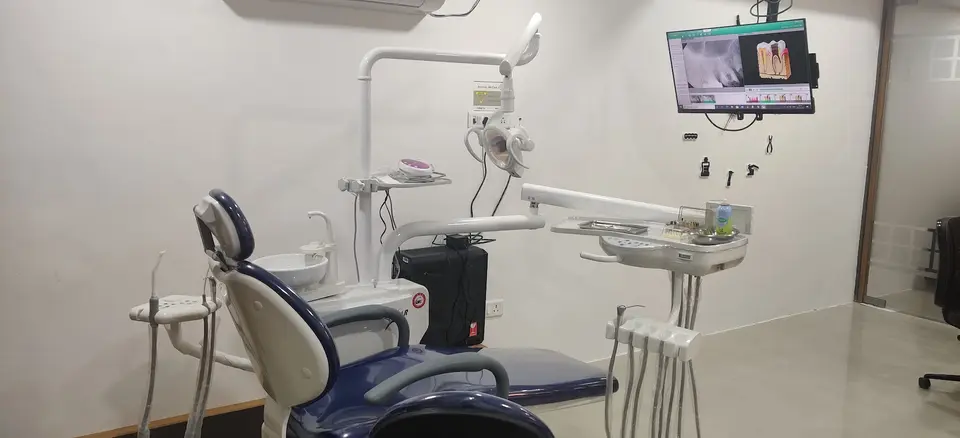
Divine Dental Care in Ankleshwar provides children's (paediatric) dental care, from a baby's first teeth to the teenage years. The aim is to keep visits calm and familiar, explain things in a way children understand and give parents clear, practical advice. Treatment is started only after a proper check-up and an explanation to the parent.
What the treatment involves
Children's dental care usually includes:
- Check-ups – looking at the teeth, gums and bite, and how the adult teeth are coming through
- Cleaning and brushing advice – removing plaque or tartar where needed, and showing parents and children how to brush well
- Prevention – the dentist may discuss preventive steps, such as applying fluoride or sealing the deep grooves of back teeth, where these suit your child
- Fillings – tooth-coloured fillings for cavities in milk or adult teeth
- Treating deeper decay – if decay has reached the nerve of a milk tooth, the dentist may suggest treatment to keep it or, if it cannot be saved, removing it
Common reasons patients come in
- A first dental visit, ideally when the first tooth appears or by the first birthday
- Brown or black spots, or holes, in milk teeth
- Toothache, swelling or a child refusing to chew on one side
- A fall or knock that has chipped or loosened a tooth (see emergency dental care)
- Adult teeth coming through behind milk teeth that have not fallen out
- Crooked teeth, thumb-sucking or a bite that does not look right
How the treatment works at Divine Dental Care
- Getting comfortable. Your child can sit with you, look around and ask questions. For a first visit, the aim is often just to get used to the chair.
- Check-up. The dentist gently checks the teeth and gums for cavities and other problems. A low-radiation digital X-ray is taken only if it is needed.
- Explaining to the parent. You are told what was found, what can be watched and what needs treatment and why, in plain language.
- Step-by-step treatment. If treatment is needed, it is explained to your child simply and may be split into short visits.
- Home advice. You get practical tips on brushing, toothpaste amounts, snacks and drinks, and are told when your child should come back.
Aftercare and recovery
After a filling or other treatment with local anaesthetic, a child's lip or cheek can feel numb for a few hours. Watch that they do not bite or chew it, and give soft food once the numbness wears off. If your child needs pain relief, give only what your doctor or pharmacist says is safe for their age and weight.
At home, a few habits make a big difference:
- Start brushing twice a day as soon as the first tooth appears.
- Use fluoride toothpaste: a smear the size of a grain of rice for children under three, and a pea-sized amount from three to six years.
- Help with or supervise brushing until about seven or eight years of age.
- Do not put a baby to sleep with a bottle of milk or juice, and keep sweets, biscuits and sugary drinks to mealtimes.
When it is time for your child's next visit, you can book an appointment at the clinic in Ankleshwar.
Frequently asked questions
When should my child first see a dentist?
It is a good idea to bring your child when the first tooth appears, or by their first birthday. Early visits help children get used to the dentist and allow problems to be spotted early.
Do cavities in milk teeth need treatment if they will fall out anyway?
Often, yes. Some milk teeth stay until around 10 to 12 years of age, and decay can cause pain and infection that may affect the adult tooth developing underneath. The dentist will advise what each tooth needs.
My child is scared of the dentist. What can I do?
Talk about the visit calmly and positively, and avoid words like "hurt" or "injection". Let the dentist explain things to your child. Short, early visits before any problem appears often help children feel more relaxed.
Are dental X-rays safe for children?
X-rays are taken only when needed, and the clinic uses digital X-rays with low radiation. The dentist will explain the reason first.
Is thumb-sucking harmful to the teeth?
It is common in young children and often stops on its own. If it continues as adult teeth come in, it can affect how the teeth and jaws develop. The dentist can check your child's bite and suggest ways to help, and our braces and aligners page covers straightening teeth.
Every mouth is different. The right treatment for you is decided only after Dr. Dhara M. Sudani examines your teeth and, if needed, takes an X-ray. This page is general information, not a diagnosis.