
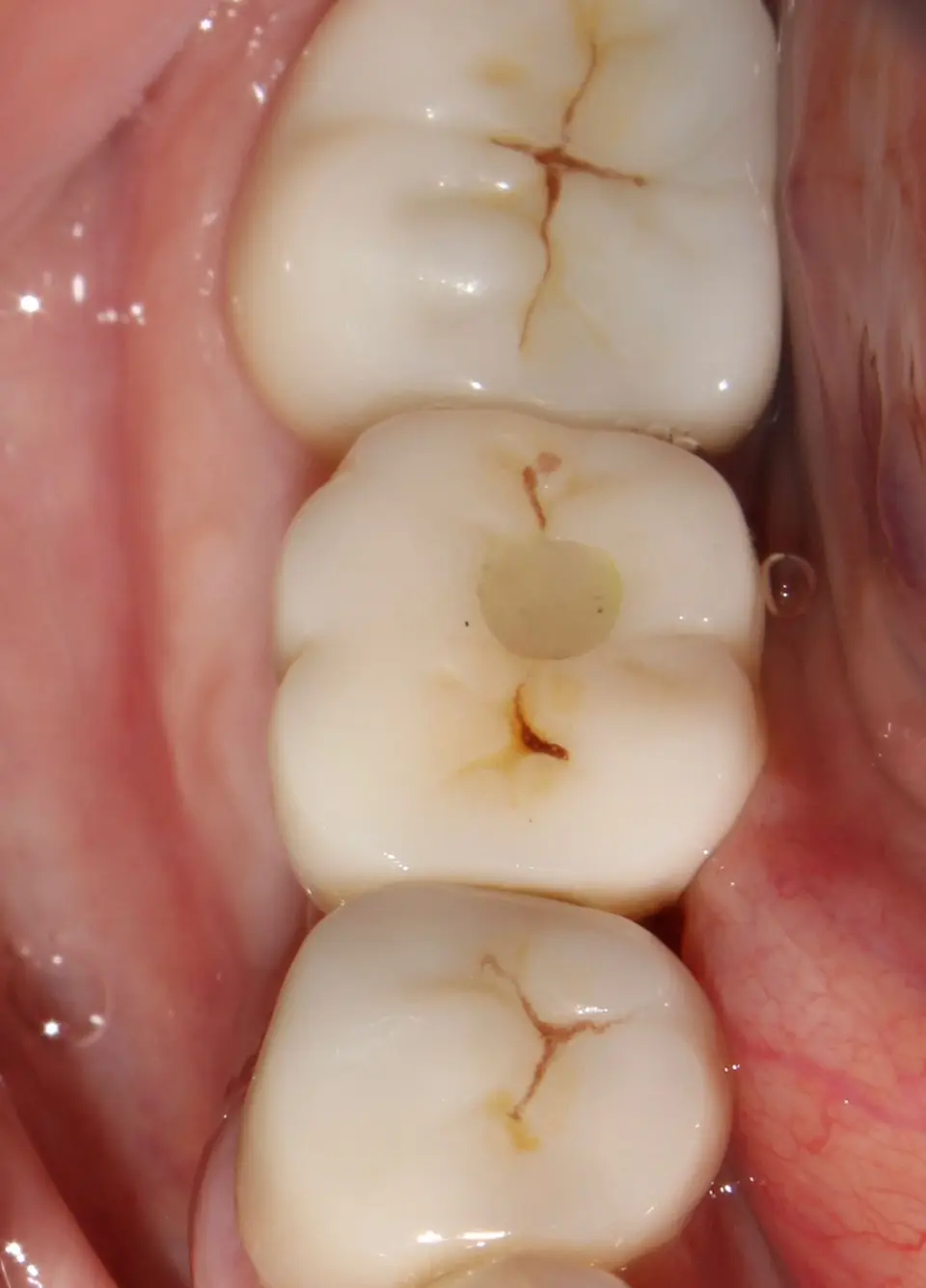
A cavity is a hole in the tooth caused by decay. It often starts small and causes no pain, but if it is left alone it can grow deeper, cause sensitivity and toothache, and eventually reach the nerve. A filling stops decay at an early stage by removing the damaged part of the tooth and sealing the space.
At Divine Dental Care in Ankleshwar, fillings are done with tooth-coloured composite material matched to the shade of your teeth. Because composite bonds to the tooth, the dentist can often keep more healthy tooth than some older types of filling needed.
What the treatment involves
Composite is a tooth-coloured resin. After the decay is removed, the tooth is cleaned and prepared so the composite can bond to it. The material is placed in layers, and each layer is hardened with an LED curing light. The filling is then shaped to fit your bite and polished so it feels smooth.
Composite fillings can be used to:
- fill cavities in front and back teeth
- repair small chips and broken edges
- replace old fillings that are cracked, leaking or dark-looking
- cover worn areas near the gumline that cause sensitivity
A filling works well when enough healthy tooth remains. If decay has reached the nerve, root canal treatment may be needed. If a large part of the tooth has been lost, a crown may protect it better than a very large filling.
Common reasons patients come in
- A dark spot or hole that you can see or feel with your tongue
- Sensitivity to sweet, cold or hot food and drinks
- Food getting stuck in the same place between teeth
- A small chip or rough edge on a tooth
- An old filling that has cracked, fallen out or looks dark
- A cavity found at a dental check-up
How the treatment works at Divine Dental Care
- Examination. The dentist checks the tooth and, if needed, takes a low-radiation digital X-ray to see how deep the decay goes.
- Explanation. You are told how large the cavity is and whether a filling is the right choice, or whether another treatment may be needed.
- Numbing. For most fillings, the tooth is numbed with local anaesthetic. Very small fillings sometimes do not need it; the dentist will discuss this with you.
- Removing decay. The decayed part of the tooth is removed and the cavity is cleaned.
- Placing the filling. The composite is shade-matched, placed in layers and hardened with the curing light.
- Shaping and polishing. The filling is shaped to your bite and polished, and you are asked to bite gently to check that it does not feel high.
Aftercare and recovery
Composite is set once the curing light has been used, so you do not need to wait for it to harden. If you had a local anaesthetic, wait until the numbness has worn off before eating or having hot drinks, so you do not bite your cheek or burn your mouth.
Mild sensitivity to cold or biting pressure for a few days is common, especially after a deeper filling, and usually settles. Contact the clinic if the filling feels high when you bite, if sensitivity is getting worse, or if pain lasts or wakes you at night. To protect your fillings and your other teeth, brush twice a day with fluoride toothpaste, clean between your teeth, and keep sweet snacks and drinks to mealtimes. If you think you have a cavity, book an appointment at the Ankleshwar clinic.
Frequently asked questions
Are tooth-coloured fillings strong enough for back teeth?
Yes, composite can be used in back teeth for many cavities. Very large cavities may be better treated with a crown, and the dentist will advise based on the size and position of the filling.
How long does a composite filling last?
Fillings often last many years, but none lasts forever. Their life depends on the size of the filling, your bite, grinding habits and how well the tooth is cleaned. Regular check-ups help spot wear early.
Will I feel pain during a filling?
The tooth is usually numbed first, so you should feel pressure and vibration rather than pain. Tell the dentist if anything feels uncomfortable so they can pause.
Should I replace my old silver fillings?
Old silver (amalgam) fillings that are intact and causing no problems do not usually need replacing for health reasons. If one is cracked, leaking or decayed underneath, or you would prefer a tooth-coloured look, the dentist can discuss replacing it with composite.
Can children have tooth-coloured fillings?
Yes. Composite fillings can be used in milk teeth and adult teeth. See children's dental care for more about children's visits.
Every mouth is different. The right treatment for you is decided only after Dr. Dhara M. Sudani examines your teeth and, if needed, takes an X-ray. This page is general information, not a diagnosis.