A chipped front tooth, a small gap or an uneven edge can make you feel self-conscious when you smile or appear in family photographs. Dental bonding repairs these problems with tooth-coloured composite resin, shaped directly onto the tooth and hardened with a light. It is often finished in a single visit and usually needs little or no drilling.
Bonding is a tooth-conserving treatment: it adds material to the tooth instead of cutting much away. At Divine Dental Care in Ankleshwar, Dr. Dhara M. Sudani has a particular interest in tooth-conserving (biomimetic) dentistry and direct composite restorations – repairing teeth with tooth-coloured materials while keeping as much of the natural tooth as possible. Read more about our dentist.
What dental bonding involves
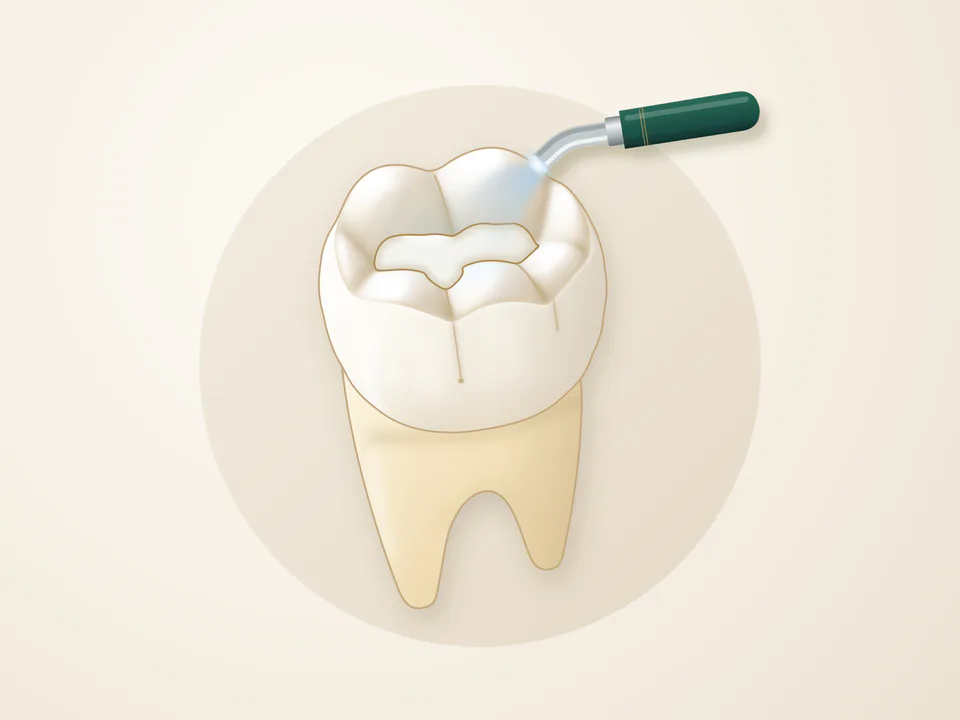
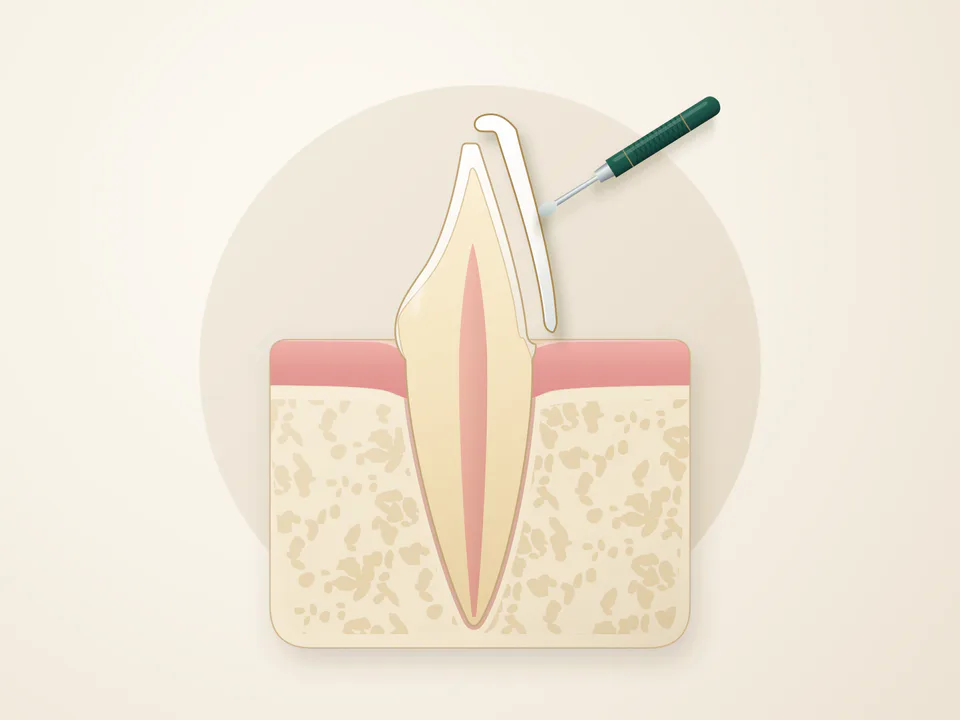
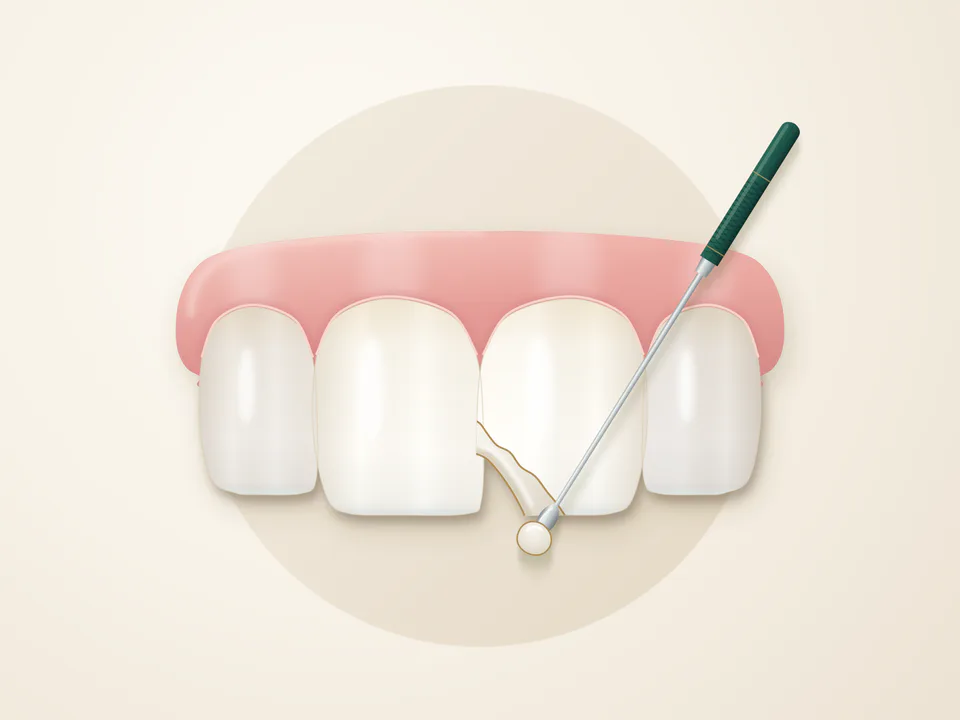
The dentist chooses a shade of composite, or a mix of shades, to match your tooth. The surface is cleaned and treated with a gel and a bonding liquid so the composite can grip. The composite is then added in thin layers, each shaped and hardened with an LED curing light, and finally trimmed and polished to blend with the teeth around it.
Bonding can be used to:
- repair a chipped or broken edge
- cover a small crack in the enamel
- close small gaps between teeth
- even out teeth that are slightly short, worn or uneven
- cover small stains or marks that do not respond to whitening
- protect worn, sensitive areas near the gumline
Bonding uses the same family of material as tooth-coloured fillings, but the purpose is often cosmetic or protective rather than treating decay. When the whole front surface of a tooth is covered, it is called a composite veneer; see dental veneers.
Bonding has limits. Composite is not as hard as enamel or porcelain, so it can stain or chip over time, especially if you grind your teeth. A crack that goes deep into the tooth, or a tooth that has lost a large part of its structure, may need a crown or root canal treatment instead.
Common reasons patients come in
- A front tooth chipped in a fall, while playing sport or by biting something hard
- A small gap between the front teeth
- Rough, worn or uneven edges on the teeth
- One tooth that looks shorter or a different shape from its neighbour
- Small white or brown marks on the enamel
How the treatment works at Divine Dental Care
- Examination. The dentist checks the tooth, gums and bite. After an injury, a low-radiation digital X-ray may be taken to check the root and nerve.
- Explaining the options. You are told whether bonding suits the tooth, how long it may last and the alternatives, such as teeth whitening, veneers or a crown.
- Choosing the shade. The composite colour is matched to your tooth. Any whitening is usually done first, as composite does not lighten with whitening.
- Preparing the tooth. Usually little or no tooth needs to be removed, and many people do not need an injection; the dentist will discuss this with you.
- Building up and shaping. The composite is placed in layers, shaped and hardened with the curing light.
- Polishing and bite check. The bonding is polished, and you bite gently so the dentist can check it does not feel high.
Bonding several teeth takes longer and may be split over more than one visit.
Aftercare and recovery
Composite is set as soon as the curing light has been used, so you do not need to wait for it to harden. If you had a local anaesthetic, wait until the numbness wears off before eating or having hot drinks.
Composite can pick up stains, especially in the first couple of days, so many dentists advise going easy on tea, coffee, turmeric-rich curries, paan and tobacco during that time. After that, rinse with water after strongly coloured food and drinks, brush twice a day and clean between your teeth. Avoid biting nails, pens, ice, supari or bottle caps with bonded teeth.
Contact the clinic if the bonding feels high, has a sharp edge or chips; small chips can often be repaired. If a tooth was broken in an accident and the face or jaw is injured, go to a hospital emergency department first; see emergency dental care. To have a chip or gap checked, book an appointment at the Ankleshwar clinic.
Frequently asked questions
Does bonding damage my teeth?
Usually little or no healthy tooth is removed, which is why bonding is considered a conservative treatment. The bonding can usually be repaired, adjusted or replaced later.
How long does composite bonding last?
It often lasts several years, but not forever. It depends on where it is, your bite, grinding, habits such as nail-biting and how well you look after it. It may need polishing or repair over time.
Is bonding the same as a veneer?
Not quite. Bonding usually covers part of a tooth, such as a chipped corner or a gap. A composite veneer covers the whole front surface, and porcelain veneers usually need more enamel to be reshaped.
Does bonding hurt?
Most bonding needs little or no drilling, so many people do not need an injection. If the tooth is sensitive or needs more preparation, it can be numbed first.
Can my child's chipped tooth be bonded?
Often, yes. The dentist first checks whether the nerve has been affected, which may need an X-ray. See children's dental care.
Every mouth is different. The right treatment for you is decided only after Dr. Dhara M. Sudani examines your teeth and, if needed, takes an X-ray. This page is general information, not a diagnosis.