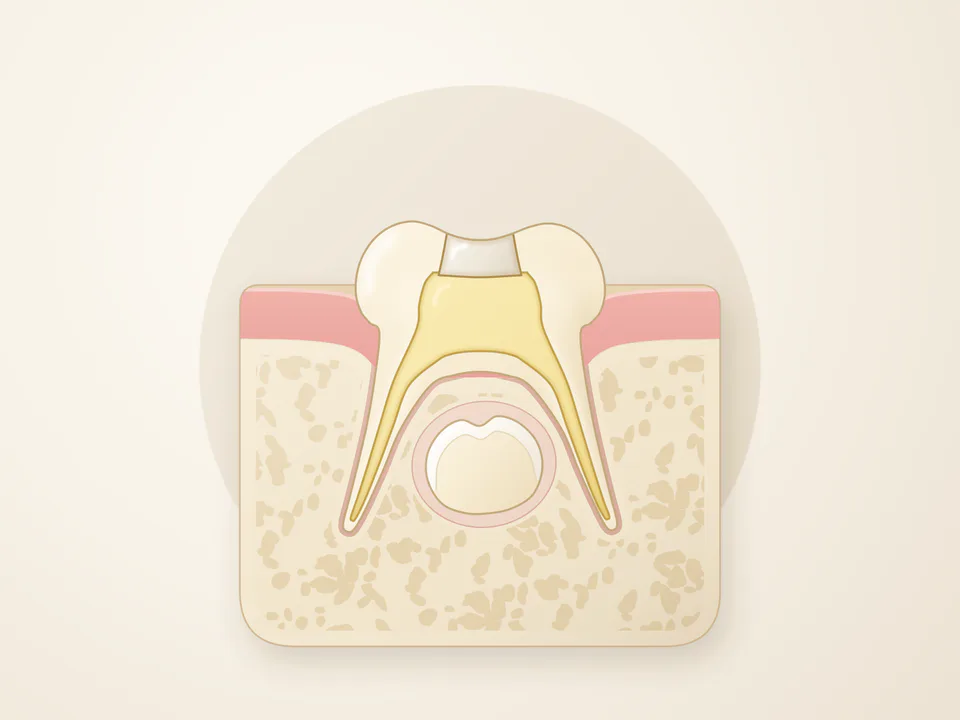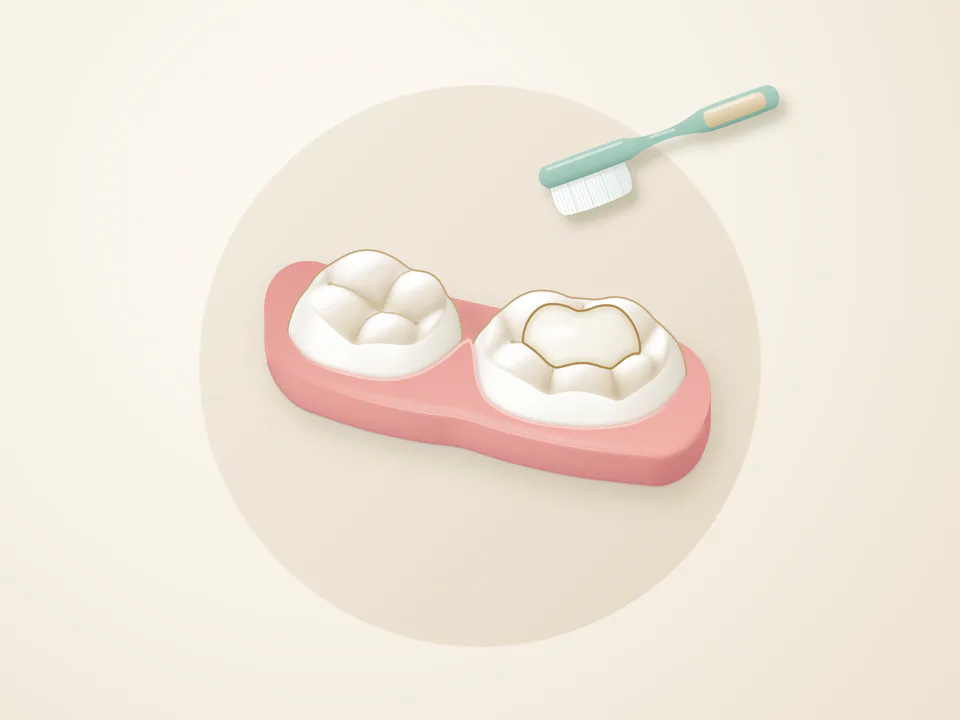
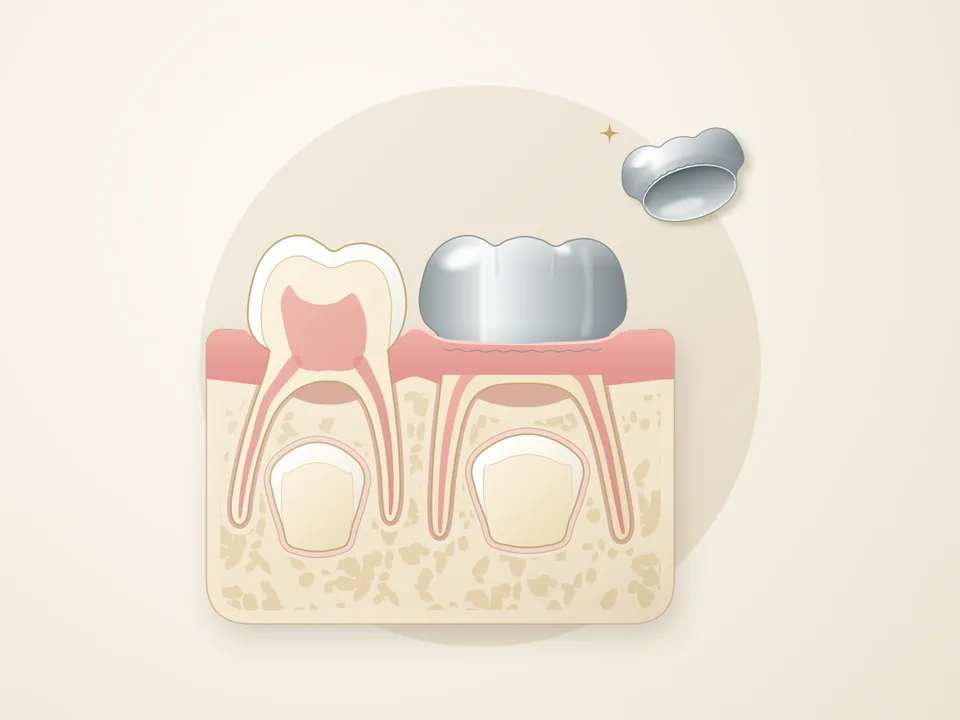
Sometimes a milk back tooth (molar) has so much decay, or is so broken, that a filling alone would not stand up to chewing. A stainless steel crown is a ready-made, silver-coloured cap that fits over the whole tooth. It covers and protects what is left of the tooth, so your child can chew comfortably and keep the tooth until it falls out naturally.
Stainless steel crowns have been used in children's dentistry for many decades. They are strong, are usually fitted in a single visit and do not need to be made in a dental laboratory like adult crowns. At Divine Dental Care in Ankleshwar, the dentist explains why a crown is advised and what the other options are before starting.
What the treatment involves
Stainless steel crowns come ready-made in a range of sizes for each milk back tooth. The dentist usually:
- removes any decay and, if the nerve is affected, treats it first, for example with a pulpectomy
- trims the tooth slightly so the crown can fit over it
- chooses the right size and checks the fit and the bite
- fixes the crown in place with dental cement
The crown covers the whole tooth, down to or just under the gumline. It stays on until the milk tooth loosens and falls out naturally, with the crown still on it, as the adult tooth comes through. It does not need to be removed.
The crown is silver in colour. On a back tooth it is usually seen only when your child opens wide or laughs, and most children get used to it quickly. For front milk teeth, the dentist will discuss other options.
When a stainless steel crown is recommended
The dentist may recommend a stainless steel crown for a milk back tooth:
- after a pulpectomy or other nerve treatment
- with a large cavity, or decay on more than one side of the tooth
- that is broken or cracked
- with weak or poorly formed enamel that chips or wears quickly
- with a large filling that keeps breaking
- in a child who has had many cavities, where a filling may be more likely to fail
Benefits of stainless steel crowns
- Strong and durable – usually lasts until the milk tooth falls out
- Covers the whole tooth, protecting it from more decay and from breaking
- Usually fitted in one visit, with no laboratory work or waiting
- Helps your child chew, eat and speak comfortably
- Helps keep the milk tooth, and so the space for the adult tooth, in place
- Research suggests that, for decayed milk back teeth, crowns are less likely than fillings to fail or cause pain later on
Preparing your child for the visit
Many children like the idea of a "silver hat" that keeps their tooth safe. Talk about the visit calmly, avoid words like "hurt", "injection" or "drill", and let the dentist explain the steps in their own child-friendly way. Give your child a light meal before the visit, because after a local anaesthetic they should not eat until the numbness wears off. Tell the dentist about any medical conditions or allergies – especially an allergy to nickel or metal jewellery, because stainless steel contains nickel. You can stay with your child.
How the treatment works at Divine Dental Care
- Examination and X-ray. The dentist checks the tooth and takes a low-radiation digital X-ray to see how deep the decay goes and whether the nerve is affected.
- Explaining to you. You are told why a crown is advised, whether the nerve needs treatment first and what the other options are.
- Numbing. The tooth and gum are usually numbed with a local anaesthetic.
- Preparing the tooth. Decay is removed, the nerve is treated if needed, and the tooth is trimmed slightly.
- Fitting the crown. The right size is chosen and tried on, and shaped if needed so it fits snugly at the gumline.
- Fixing in place. The crown is cemented, extra cement is cleaned away and your child's bite is checked.
Aftercare and looking after the crown
After a local anaesthetic, your child's lip, cheek and tongue can feel numb for a few hours. Watch that they do not bite or chew them, and give soft food once the numbness has worn off. The gum around the crown may feel a little sore or bleed slightly when brushed for a few days, and the crown may feel strange or tight at first. This usually settles. If your child needs pain relief, give only what your doctor or pharmacist says is safe for their age and weight.
To look after the crown:
- brush twice a day with fluoride toothpaste, paying attention to where the crown meets the gum
- avoid toffees, chewing gum and other sticky sweets, which can loosen the crown
- keep coming for regular check-ups
Contact the clinic if the crown feels loose or comes off – keep it and bring it with you – or if pain or swelling appears. If swelling spreads towards the eye or neck, or your child has difficulty breathing or swallowing, go to a hospital emergency department straight away. If you think a milk tooth may need a crown, book an appointment at the clinic in Ankleshwar.
Frequently asked questions
How long does a stainless steel crown last?
It is designed to stay on the milk tooth until that tooth falls out naturally, and it usually does; it then comes out with the tooth. It is not meant to last for life, because the milk tooth will be replaced by an adult tooth.
Does fitting a crown hurt?
The tooth is usually numbed first. Your child may feel some pressure as the crown is pressed into place. Mild soreness of the gum for a few days is common and usually settles.
What if the crown comes off?
Keep the crown and contact the clinic. A loose or missing crown leaves the tooth unprotected, so it should be checked soon.
Can my child have a tooth-coloured crown instead?
For milk back teeth, stainless steel crowns are commonly used because they are strong and dependable. Tooth-coloured crowns exist for some milk teeth, but they do not suit every tooth or every child. The dentist can tell you what would suit your child's tooth.
Does a stainless steel crown contain nickel?
Yes, stainless steel contains some nickel. Reactions to nickel in dental crowns are rare, but tell the dentist if your child has a known nickel or metal allergy.
Every mouth is different. The right treatment for you is decided only after Dr. Dhara M. Sudani examines your teeth and, if needed, takes an X-ray. This page is general information, not a diagnosis.