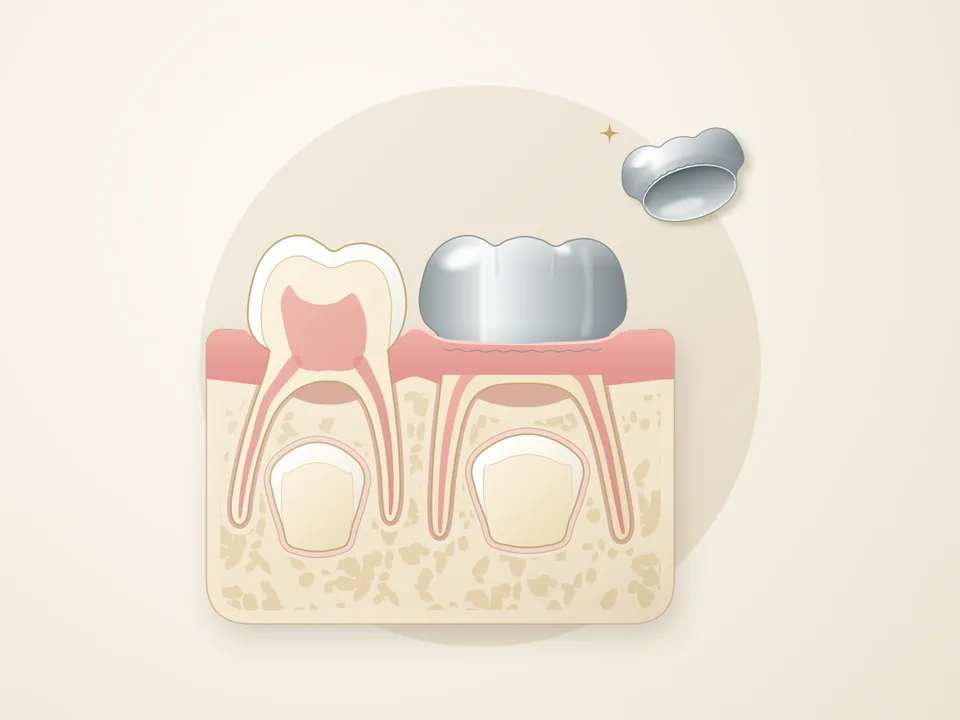
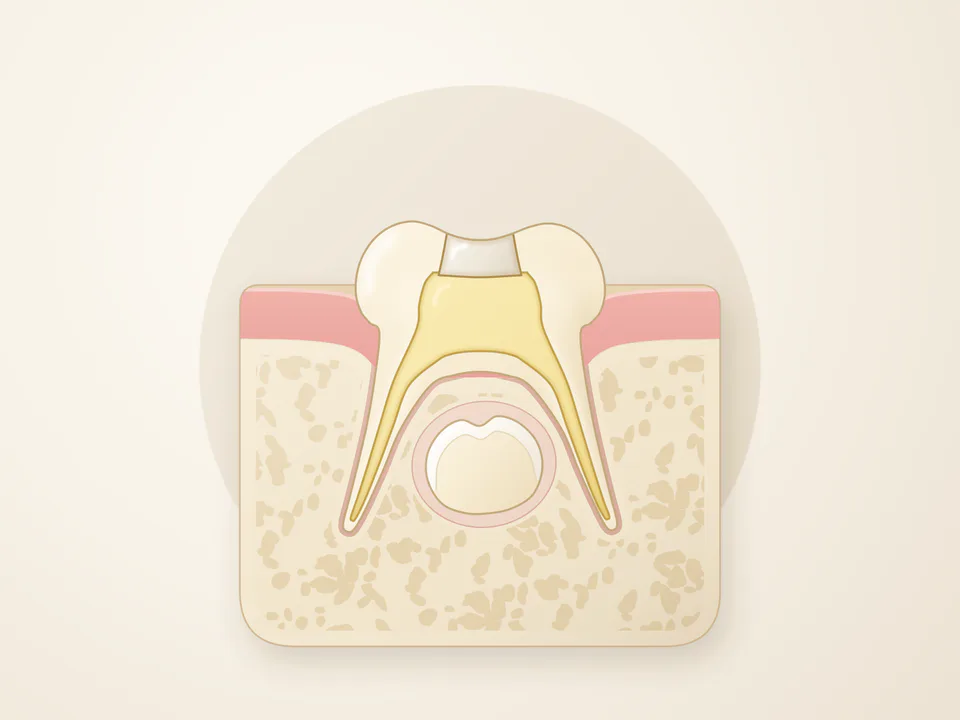
Inside every tooth is the pulp – soft tissue with nerves and blood vessels that runs from the crown down into the roots. In milk teeth the outer layers are thinner and the pulp is relatively large, so decay can reach it quickly, and a fall or knock can also damage it. Once the pulp is badly infected or has died, it cannot heal on its own.
A pulpectomy is root canal treatment for a milk tooth. It aims to clear the infection and keep the tooth until it falls out naturally and the adult tooth takes its place. At Divine Dental Care in Ankleshwar, the dentist explains the options, including removing the tooth, before anything is started.
What the treatment involves
During a pulpectomy, the dentist:
- numbs the tooth and the gum around it with a local anaesthetic
- makes a small opening in the top of the tooth to reach the pulp
- removes the infected or damaged pulp from the crown and the root canals
- cleans and disinfects the canals
- fills them with a special paste for milk teeth that is slowly absorbed as the roots are, so the tooth can still loosen and fall out normally
- seals the tooth with a filling
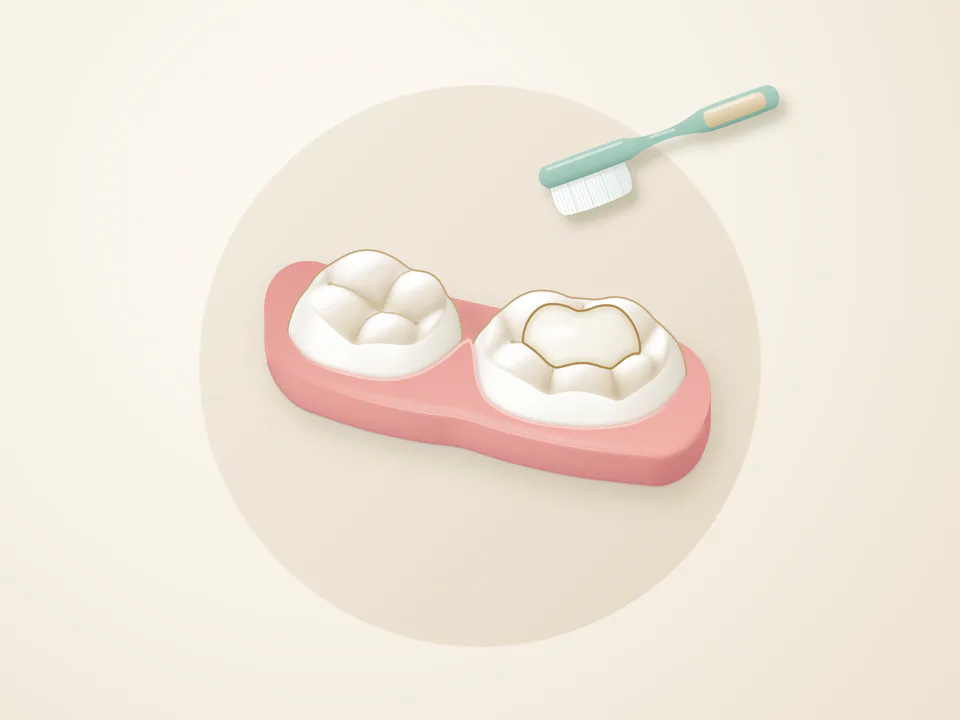
A back milk tooth that has had a pulpectomy is weaker and more likely to break, so the dentist will usually advise covering it with a crown, often a stainless steel crown, in the same visit or a later one. A front milk tooth may only need a filling. A pulpectomy may be finished in one visit or need two.
If only the pulp in the top (crown) part of the tooth is inflamed and the pulp in the roots is healthy, a smaller treatment called a pulpotomy may be enough. The dentist decides which treatment suits the tooth after an examination and an X-ray.
Signs a milk tooth may need a pulpectomy
Signs that the pulp of a milk tooth may be infected or badly damaged:
- toothache that starts on its own, lasts a long time or wakes your child at night
- swelling of the gum or face near a tooth
- a gum boil – a small pimple-like bump on the gum near the tooth, which may leak pus
- a tooth that has turned grey or dark after a fall – this does not always need treatment, but it should be checked
- a milk tooth that is looser than expected
- an infection seen on an X-ray, sometimes even when there is no pain
A pulpectomy may be recommended when the pulp is infected or has died but the tooth can still be repaired, enough of the roots remain and the tooth is expected to stay in the mouth for a while yet.
When removing the tooth may be the better choice. The dentist may advise tooth extraction instead if the tooth is too broken to repair, the infection has damaged too much of the root or the bone around it, the adult tooth is close to coming through, or your child's general health makes it the safer option, for example with some heart conditions or a weakened immune system. If a back milk tooth is removed early, the dentist may discuss ways to keep the space for the adult tooth.
Benefits of a pulpectomy
- Usually relieves toothache and treats the infection at its source
- Often lets your child keep the milk tooth until it falls out naturally
- Helps keep space for the adult tooth, so it has room to come through in the right place
- Helps your child chew, eat and speak normally
- Can lower the risk of infection affecting the adult tooth developing underneath
Preparing your child for the visit
A child with toothache may already be tired and upset. Stay calm, and tell them the dentist is going to "clean the inside of the tooth so it feels better". Avoid words like "injection", "drill" or "hurt". Give a light meal before the visit, because after a local anaesthetic your child should not eat until the numbness wears off. Tell the dentist about any medical conditions, allergies or medicines. You can stay with your child.
How the treatment works at Divine Dental Care
- Examination and X-ray. The dentist examines the tooth and takes a low-radiation digital X-ray to see the roots, the infection and the adult tooth underneath.
- Explaining the options. You are told whether the tooth can be saved, how many visits are likely, whether a crown is advised and the alternatives, including removing the tooth. You decide how to proceed.
- Local anaesthetic. The tooth and gum are numbed. Your child can raise a hand if they need a pause.
- Cleaning and filling the canals. The pulp is removed, the canals are cleaned, disinfected and filled with the absorbable paste, and the tooth is sealed.
- Protecting the tooth. The planned crown or filling is placed, in the same visit or a later one.
- Follow-up. The tooth is checked at later visits, sometimes with an X-ray, until it falls out.
Aftercare and recovery
Your child's lip, cheek and tongue can feel numb for a few hours. Watch that they do not bite or chew them, and give soft food once the numbness has worn off. The tooth and gum may feel tender for a few days; this usually settles. If your child needs pain relief, give only what your doctor or pharmacist says is safe for their age and weight. Antibiotics are not needed for every pulpectomy; the dentist will decide.
Until the crown or final filling is fitted, avoid hard and sticky food on that side. Contact the clinic if pain gets worse after a few days, swelling appears or comes back, or a temporary filling comes out.
If swelling spreads towards your child's eye or neck, they have difficulty breathing or swallowing, or they have a high fever with a swollen face, go to a hospital emergency department straight away – see emergency dental care. If your child has toothache, book an appointment at the clinic in Ankleshwar.
Frequently asked questions
Is a pulpectomy the same as a root canal for adults?
It is similar, but the canals of a milk tooth are filled with a paste that is slowly absorbed, just as the roots of milk teeth naturally are. The tooth should usually still loosen and fall out as the adult tooth comes through, and the dentist keeps an eye on it at check-ups.
Why not just take the tooth out?
Losing a milk tooth too early can let nearby teeth drift into the gap and leave too little space for the adult tooth. Sometimes, though, removal is the better choice, and the dentist will explain why.
Will my child feel pain during the treatment?
The tooth is numbed first, so most children feel pressure rather than pain. Some tenderness for a few days afterwards is common and usually settles.
Does a pulpectomy always work?
Most treated milk teeth do well, but no treatment works every time. If the infection comes back, the tooth may need to be removed, which is why follow-up visits matter.
Every mouth is different. The right treatment for you is decided only after Dr. Dhara M. Sudani examines your teeth and, if needed, takes an X-ray. This page is general information, not a diagnosis.