Oral cancer is cancer of the lips, tongue, cheeks, gums, floor of the mouth or palate. It is one of the more common cancers in India and is strongly linked to habits that are widespread here, such as chewing tobacco, gutkha and supari. Found early, it is usually easier to treat, but early changes often cause no pain and are easy to miss.
At Divine Dental Care in Ankleshwar, an oral cancer examination is part of a dental check-up, and you can ask for your mouth to be checked at any visit if something worries you. A screening does not diagnose cancer; it helps notice changes early and, where needed, guide you to the right specialist.
What an oral cancer screening involves
The screening takes only a few minutes and is gentle. The dentist usually:
- asks about your health and habits, including tobacco, supari, paan and alcohol, so the advice fits you
- looks at your lips, gums, the inside of your cheeks, the top, sides and underside of your tongue, the floor of the mouth and the palate
- gently feels inside the mouth, along the jaw and in the neck for lumps or thickened areas
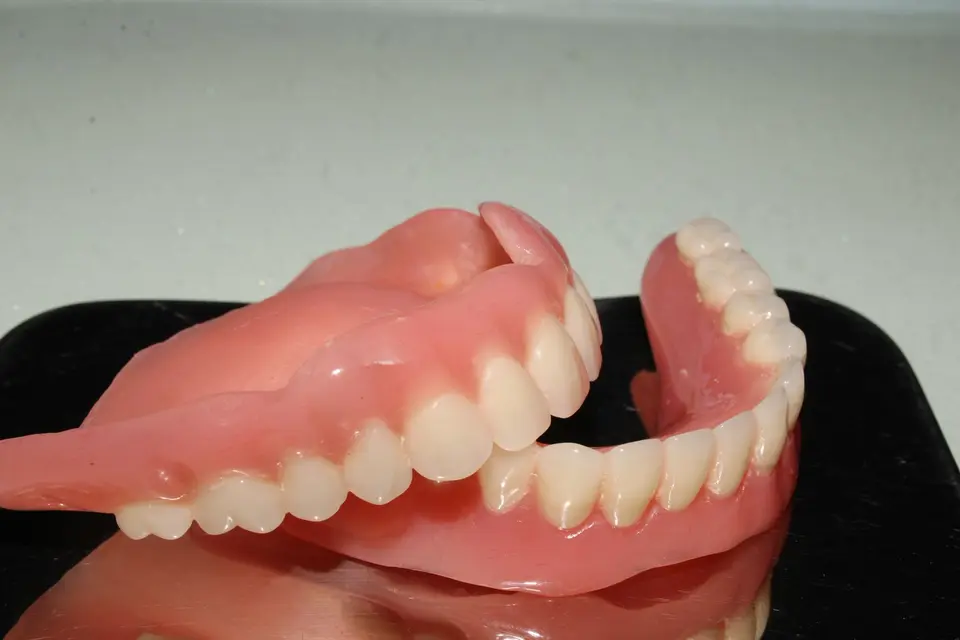
- asks you to take out any denture so the gums underneath can be seen
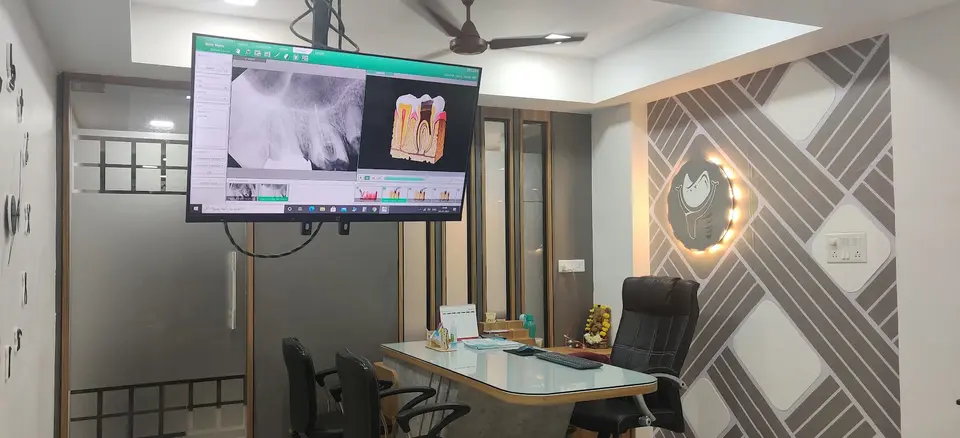
The dentist can show you a close-up of anything worth pointing out on the chair-side screen.
Only a biopsy, in which a small piece of tissue is examined in a laboratory, can confirm whether a patch or ulcer is cancer. The clinic does not carry out biopsies or cancer treatment. If something needs further tests, the dentist refers you to a specialist or a hospital and explains why.
Risk factors common in India
Oral cancer can affect people who have never used tobacco, but some habits raise the risk considerably:
- Tobacco in any form – cigarettes and bidis, and smokeless tobacco such as gutkha, khaini, mawa, zarda or tobacco in paan
- Areca nut (supari) – on its own, in pan masala or as sweetened supari, even without tobacco
- Alcohol – especially when combined with tobacco
The risk generally rises the more often and the longer these habits continue.
Warning signs to have checked
Most of these signs have a simpler cause, such as a sharp tooth or an infection, but see a dentist or doctor if you notice:
- a mouth ulcer or sore that has not healed within about two to three weeks
- a white or red patch on the gums, tongue, cheeks or floor of the mouth
- a lump, swelling or thickened area in the mouth, on the lip or in the neck
- stiff cheeks, difficulty opening your mouth fully or a burning feeling with spicy food, which can be signs of oral submucous fibrosis, a condition linked to supari
- bleeding, numbness or pain in the mouth with no clear cause
- difficulty chewing or swallowing, or a hoarse voice that does not go away
- a tooth that becomes loose for no clear reason, or a denture that suddenly stops fitting
You can check your own mouth too. About once a month, in good light and with a mirror, look at your lips, gums, cheeks, tongue and the roof of your mouth, and feel your neck for lumps. If you notice a change, do not wait for your next routine visit. If you have swelling that spreads quickly, difficulty breathing or swallowing, or bleeding that will not stop, go to a hospital emergency department.
How the screening works at Divine Dental Care
- A short conversation. You are asked about your health, medicines and habits. Please answer openly; the aim is to advise you, not to judge.
- Examination and explanation. After the check, you are told what was seen. Most findings are harmless and need nothing more.
- Review if needed. If a sharp tooth or a rubbing denture may be causing a sore, it is treated first and you come back after a short time to check that the sore has healed.
- Referral if needed. If further tests are needed, you are referred to a specialist or a hospital.
Quitting tobacco and supari
Stopping tobacco and supari is the most important step you can take to lower your risk, and it helps your gums and general health too. Some white patches improve after the habit stops, although any patch still needs to be checked.
Quitting can be hard, and support helps. The Government of India's National Tobacco Quitline is a toll-free call on 1800-11-2356, the number printed on tobacco packs. You can also ask your doctor about quit support, and the dentist can talk it through with you. If you use tobacco or supari and would like your mouth checked, book an appointment at the clinic in Ankleshwar.
Frequently asked questions
Does oral cancer screening hurt?
It should not. It is a look at, and a gentle feel of, your mouth, lips and neck. Nothing is cut or removed.
I do not use tobacco. Do I still need a screening?
Yes. Oral cancer is less common in people who do not use tobacco, supari or alcohol, but it can still happen.
How often should my mouth be checked?
It is usually done at your routine check-ups. If you use, or have used, tobacco or supari, the dentist may suggest more regular visits.
Is a mouth ulcer a sign of cancer?
Most mouth ulcers are harmless and heal within a week or two. An ulcer that has not healed within about two to three weeks, keeps coming back in the same place or has no clear cause should be checked.
Every mouth is different. The right treatment for you is decided only after Dr. Dhara M. Sudani examines your teeth and, if needed, takes an X-ray. This page is general information, not a diagnosis.