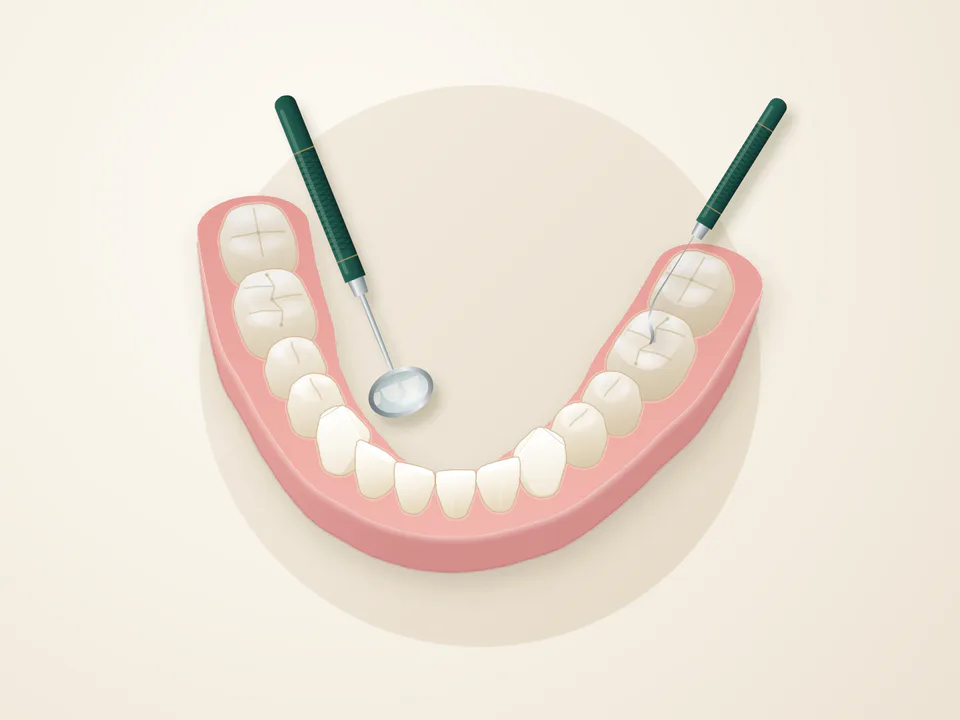
Many dental problems hide where the eye cannot see: between the teeth, under old fillings, inside the roots and in the bone. A dental X-ray lets the dentist see these areas, so problems can be found early and treatment planned properly.
Divine Dental Care in Ankleshwar uses a portable digital dental X-ray with a low radiation dose. The image is clear and appears on the screen in the treatment room straight away, so the dentist can look at it with you while you are still in the chair. X-rays are taken only when they will help with a diagnosis or a treatment decision.
What a small dental X-ray shows
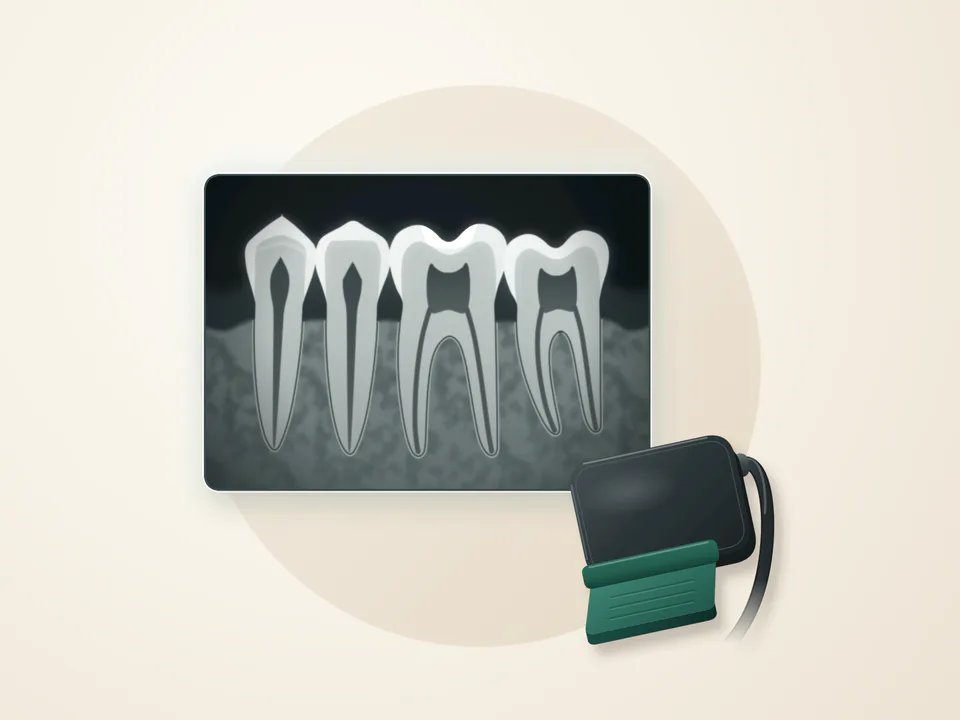
The X-rays taken at the clinic are small, intra-oral X-rays: a small sensor is placed inside your mouth, and each image shows a few teeth in detail. Depending on what the dentist needs to see, an X-ray can show:
- decay between the teeth or under fillings and crowns, often invisible from the outside
- infection or an abscess at the tip of a root
- the bone level around the teeth, which shows how far gum disease has progressed
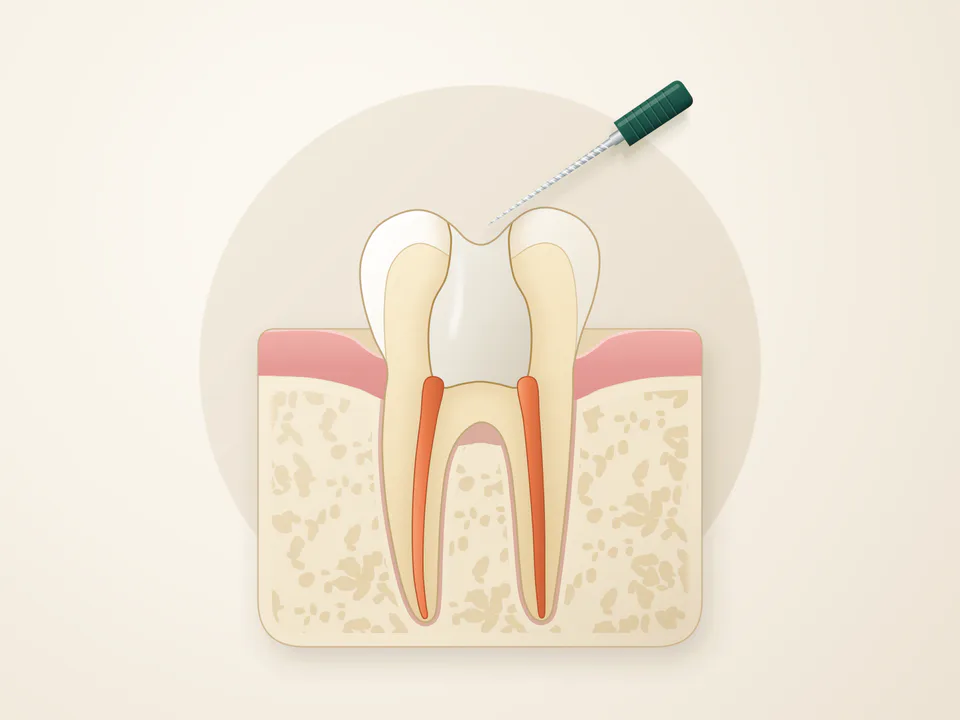
- the roots and canals before and during root canal treatment
- the position and roots of a tooth that has not fully come through, such as a wisdom tooth
- the fit of a crown or filling, and how a tooth is healing after treatment
X-rays have limits. They show teeth and bone well but not the soft tissues, and a very fine crack may not show at all, so the dentist uses an X-ray together with a careful examination, not instead of one.
A small X-ray does not show the whole jaw. If you need a full-mouth panoramic X-ray (often called an OPG) or a 3D CBCT scan, for example before some wisdom tooth removals or dental implant planning, the dentist will explain why and advise where you can have it done.
When a dental X-ray is taken
You do not need an X-ray at every visit. The dentist decides based on your symptoms, your history and what cannot be checked by eye. Common reasons include:
- a toothache, swelling or a tooth that hurts when you bite
- checking for hidden decay, at intervals that depend on your risk
- planning root canal treatment, an extraction, a crown or an implant
- an injury to a tooth, to check the root and the bone around it
- checking how a tooth has healed after treatment
If you have swelling spreading towards your eye or neck, a high fever, or difficulty breathing or swallowing, go to a hospital emergency department straight away rather than waiting for a dental appointment.
Is a dental X-ray safe?
Dental X-rays use a very small amount of radiation. The dose from one small dental X-ray is roughly what most people receive from natural background radiation in about a day. Digital X-rays usually need a lower dose than older film X-rays, and the beam is aimed only at the area being examined.
The dentist still keeps radiation as low as reasonably possible: an X-ray is taken only when it will help, using the fewest images needed. If you have had recent X-rays elsewhere, bring them with you, as they may mean fewer new ones are needed.
Pregnancy: Tell the dentist if you are, or might be, pregnant. Dental X-rays are aimed at the mouth, away from the abdomen, and the dose is very low, so an X-ray needed for urgent treatment is generally considered acceptable during pregnancy. Routine X-rays may be postponed until after the baby is born. The dentist will discuss this with you, and you can also speak to your doctor.
Children: Children's X-rays are also taken only when they will help. See children's dental care.
How the X-ray is taken at Divine Dental Care
- Explaining why. The dentist tells you why an X-ray would help and which teeth it will show.
- Getting ready. You may be asked to remove glasses, a nose pin or a removable denture, as metal can block part of the image.
- Positioning. The small sensor is placed gently in your mouth while you sit in the dental chair. Tell the dentist if you gag easily.
- Taking the image. The portable X-ray unit is held close to your cheek, and the exposure takes only a moment. You simply keep still.
- Seeing the result. The image appears on the screen in the treatment room, and the dentist shows you what it means for your teeth.
There is nothing to recover from, and you decide whether and when to go ahead with any treatment. If you have a tooth problem that needs looking into, book an appointment at the clinic in Ankleshwar.
Frequently asked questions
How much radiation is in a dental X-ray?
Very little. One small digital dental X-ray gives a dose roughly similar to the natural background radiation most people receive in about a day.
Can I have a dental X-ray when I am pregnant?
Tell the dentist first. Routine X-rays are often postponed, while an X-ray needed for urgent treatment is generally considered acceptable. Speak to your doctor as well.
Can the clinic take an OPG or a 3D scan?
The clinic uses a portable digital X-ray for small X-rays inside the mouth. If you need a full-mouth OPG or a 3D CBCT scan, the dentist will advise where to have it done.
Can I bring X-rays from another clinic?
Yes. Bring any recent X-rays, scans or reports you have. They may reduce the number of new X-rays needed.
Every mouth is different. The right treatment for you is decided only after Dr. Dhara M. Sudani examines your teeth and, if needed, takes an X-ray. This page is general information, not a diagnosis.