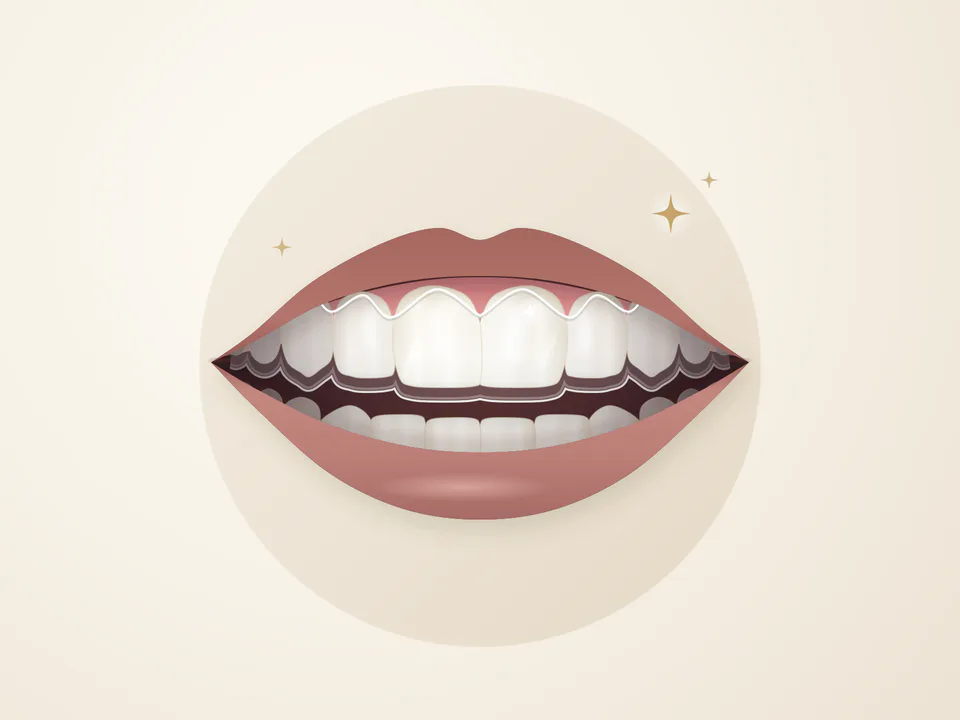
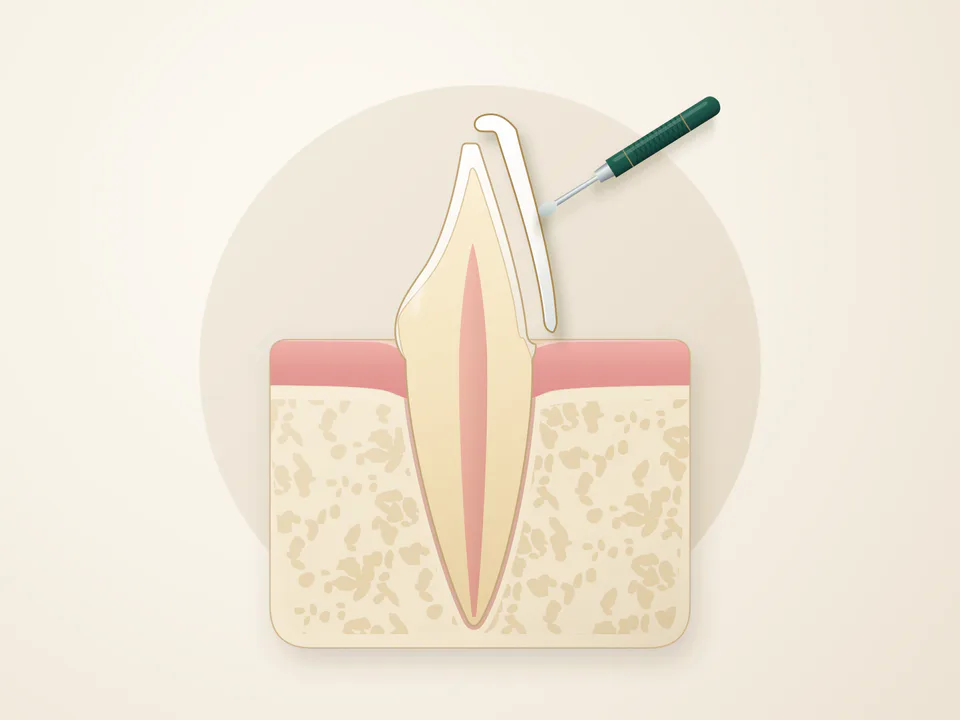
A veneer is a thin, tooth-coloured layer bonded to the front surface of a tooth. Veneers are mainly used on the teeth that show when you smile, to change their colour, shape or length, or to close small gaps. They can make a clear difference to a smile, but they are a long-term commitment.
Veneers are one of the cosmetic dentistry treatments at Divine Dental Care in Ankleshwar. The dentist first checks that your teeth and gums are healthy, listens to what you would like to change and explains whether veneers or a simpler option would suit you better.
What veneers are and the main types
A veneer covers only the front and biting edge of a tooth, unlike a crown, which covers the whole tooth. There are two main types:
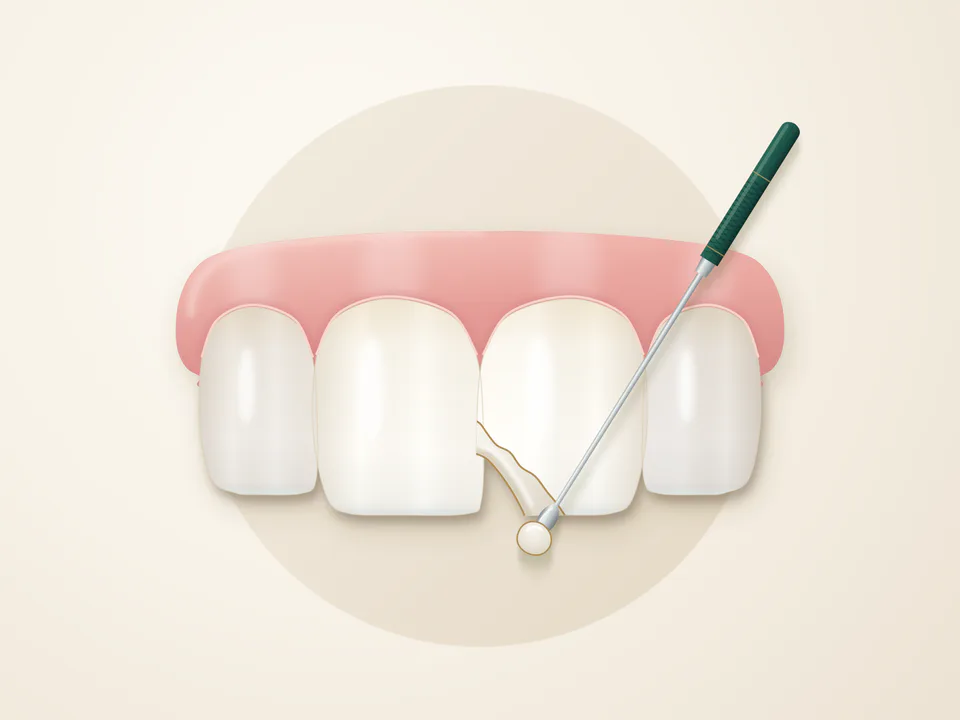
- Composite veneers – tooth-coloured composite resin built up directly on the tooth, shaped and hardened with a curing light, usually in one visit. They often need less reshaping of the tooth and can be repaired, but they stain and chip more easily.
- Porcelain or ceramic veneers – thin shells made in a dental laboratory from an impression of your teeth and bonded at a later visit. They resist staining well and can look very natural, but usually need more enamel to be removed, and a broken one usually has to be remade.
The dentist explains which type suits you after an examination, depending on your teeth, your bite and what you hope to achieve.
Why veneers are a long-term decision
To make room for a veneer and help it bond, the front of the tooth usually needs some reshaping, which means a thin layer of enamel is removed. Composite veneers may need less, occasionally none. Enamel does not grow back, so in most cases veneers are not reversible: once a tooth has been prepared, it will always need a veneer or another covering.
Veneers also do not last forever. They can chip, come loose or stain at the edges, and they may need replacing after some years. Whitening does not change their colour, so if you want lighter teeth, whitening is usually done first and the veneers are matched to the new shade.
Where a gentler option could meet your goal, the dentist will usually discuss it first:
- Teeth whitening for teeth that are evenly yellowed or stained
- Composite bonding for a chip, small gap or uneven edge on one or two teeth
- Crowns for teeth that are heavily filled, broken or weakened
- Braces or aligners for crooked or crowded teeth, which can be moved rather than covered
Common reasons patients come in
- Front teeth that have not lightened enough with whitening, for example after an old injury or root canal treatment
- White or brown marks from dental fluorosis, seen in parts of Gujarat where groundwater is high in fluoride
- Chipped, worn or slightly short front teeth
- Small gaps between the front teeth
- Teeth that are slightly uneven in shape or size
Veneers may not suit you if you have untreated decay or gum disease, grind your teeth heavily, have little enamel left or have teeth that are badly out of line.
How the treatment works at Divine Dental Care
- Consultation. The dentist examines your teeth, gums and bite, and may take photographs or X-rays.
- Health first. Any decay or gum problem is treated before veneers are planned.
- Options and limits. The dentist explains whether veneers suit you, which type and how much reshaping your teeth would need, and the alternatives. You decide whether to go ahead.
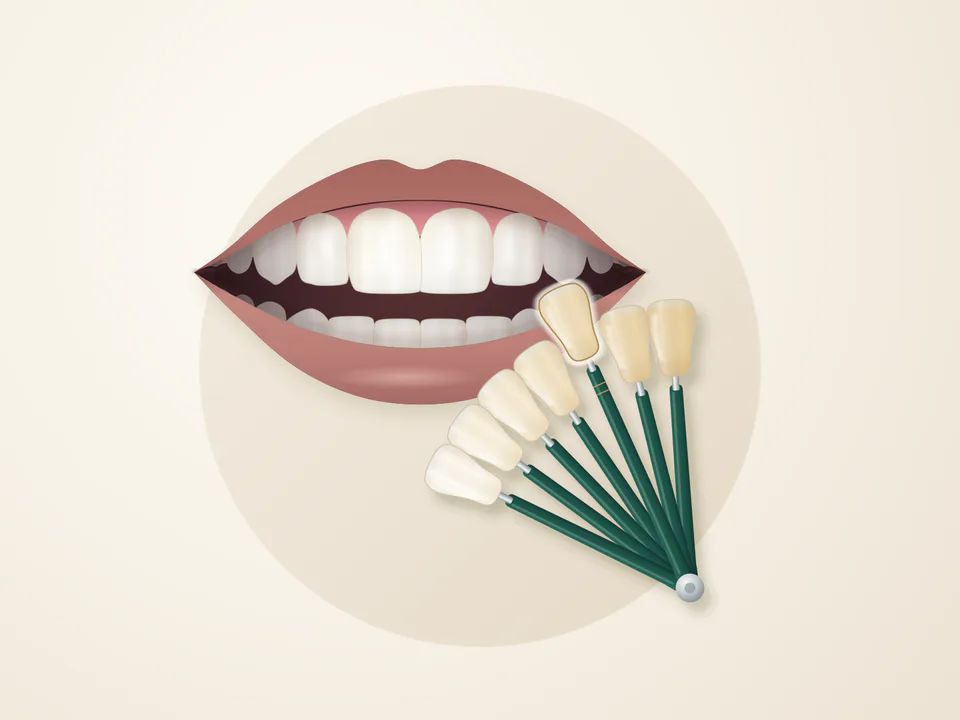
- Shade and shape. The colour, shape and length are agreed with you. Any whitening is usually done before this step.
- Preparing and placing. The teeth are gently reshaped where needed, with local anaesthetic if required, and the veneers are bonded, shaped and polished – at the same visit or a later one, depending on the type.
- Review. Your bite and the look and feel of the veneers are checked and adjusted if needed.
Aftercare and looking after veneers
Teeth may feel sensitive to hot and cold for a few days after they are prepared, and new veneers can feel slightly different to your tongue at first. This usually settles. Contact the clinic if your bite feels high, an edge feels sharp or sensitivity does not settle.
Brush twice a day and clean between your teeth daily, because the tooth underneath can still decay at the edges. Rinse after tea, coffee or paan, do not bite ice, supari or bottle caps with your front teeth, and tell the dentist if you grind your teeth. Regular check-ups let small chips or stains be spotted early. To find out whether veneers suit you, book an appointment at the Ankleshwar clinic.
Frequently asked questions
Are veneers reversible?
In most cases, no. Most veneers need some enamel to be reshaped, and enamel does not grow back. Some composite veneers need little or no reshaping, and the dentist will tell you before treatment how much your teeth would need.
How long do veneers last?
Veneers often last many years with good care, but none lasts forever. Composite veneers usually need polishing or repair sooner than porcelain ones.
Does getting veneers hurt?
If your teeth need reshaping, a local anaesthetic can be used, so you should feel pressure rather than pain. Some sensitivity for a few days afterwards is common.
Can veneers straighten crooked teeth?
Veneers can disguise slightly uneven teeth, but they do not move them. For crooked or crowded teeth, braces or aligners may be the more conservative choice.
Every mouth is different. The right treatment for you is decided only after Dr. Dhara M. Sudani examines your teeth and, if needed, takes an X-ray. This page is general information, not a diagnosis.